Song Meaning
{"song_id": 13618690, "meaning": "Charlie Musselwhite's blues lament, \"Good Times,\" isn't just a mournful recollection; it's a stark confrontation with downward mobility. The song meaning hinges on the brutal contrast between past indulgence and present scarcity. Musselwhite’s narrator once traversed a landscape of lavish steaks and city-wide parties, a picture of carefree affluence. Now, he's reduced to the barest of sustenance: \"fatback and pinto beans.\" This isn't just dietary change; it's a symbol of profound economic and social displacement. The simplicity of the food underscores the severity of his fall. The repeated question, \"Tell me where did all the good times go?\" isn't merely a plea for information. It's a cry of existential confusion.
The lyrics paint a vivid picture of lost romance interwoven with financial ruin. The line about taking a lover “to the finest place in town” stings with the memory of shared prosperity, highlighting the current predicament of “standin' in this old welfare line.” This juxtaposition underscores the psychological toll of economic hardship on relationships. It suggests a loss of not just material comfort, but also of personal dignity and romantic connection. The welfare line isn't just a place; it's a symbol of broken promises and shattered expectations.
Ultimately, \"Good Times\" transcends a simple tale of personal misfortune. It becomes a blues-infused commentary on the fragility of fortune and the ever-present threat of economic instability. The song's power lies in its ability to evoke empathy for those who have experienced such a reversal of fortune, prompting listeners to consider the systemic forces that can lead to such dramatic shifts in circumstance. It is a blues song, so a degree of resignation is expected, but the raw emotionality behind the repeated questioning reveals a deep-seated yearning for understanding and perhaps, a glimmer of hope for future redemption."}
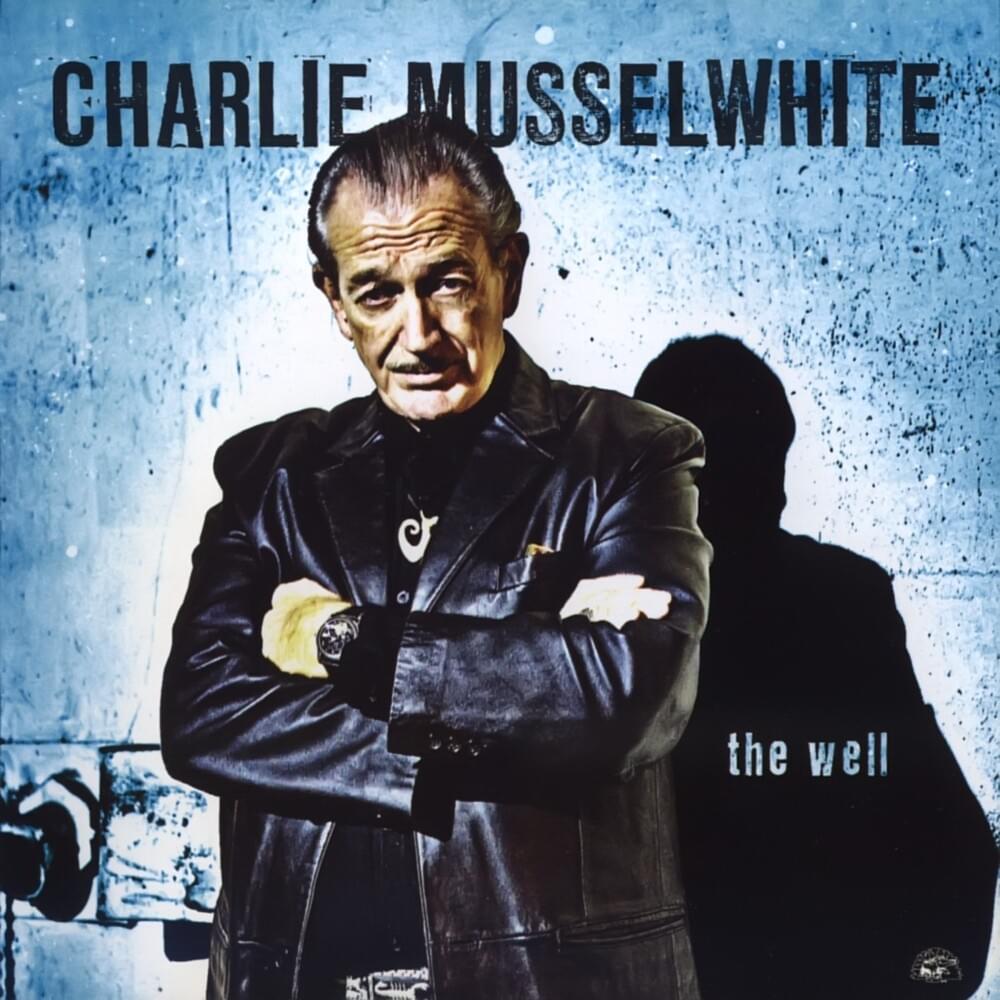
 View Artist