Song Meaning
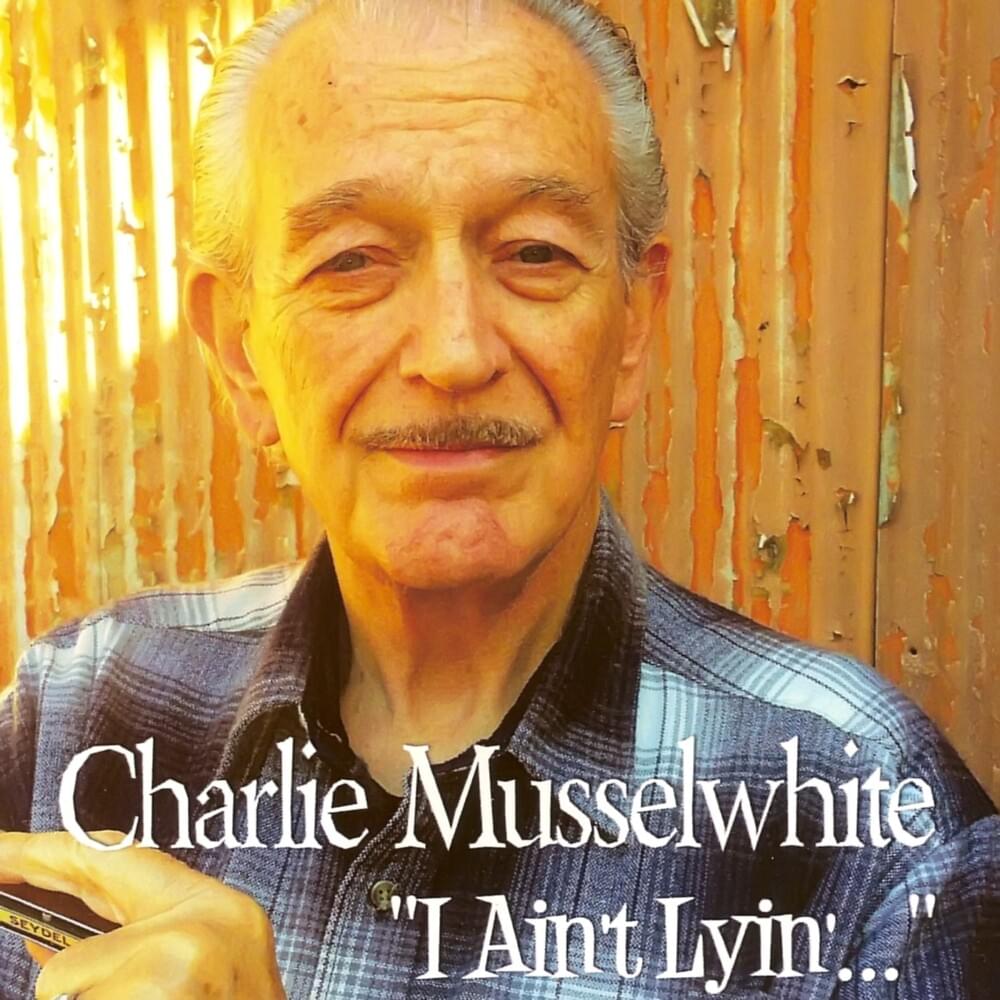
Charlie Musselwhite's "Good Blues Tonight" isn't just an invitation; it's a proposition. The track, steeped in the raw, late-night ethos of traditional blues, uses simple lyrics to construct a space of intimate healing. It's about more than just music; it's about finding solace and connection in the shared language of pain. Musselwhite, a master of the form, understands the blues as a balm, a way to transform suffering into something almost… transcendent.
The lyrics themselves are deceptively simple. The opening lines, repeated for emphasis, act as a siren call, beckoning the listener into a world where the blues reign supreme. But it's the subsequent verse that reveals the song's deeper intent. Musselwhite isn't offering medical expertise; he's offering empathy. He acknowledges limitations ("I ain't no doctor"), but promises to alleviate suffering until more conventional help arrives. This speaks to the core function of the blues: not to cure, but to comfort, to acknowledge pain without judgment.
The final verse introduces a layer of sensuality, hinting at the nature of the comfort being offered. The "sweetest peaches" and "sweetest honey" are metaphors for something beyond the ordinary, something that cannot be found in nature, but only in human connection. In the context of the blues, this is a powerful statement about the redemptive power of intimacy in the face of hardship. "Good Blues Tonight" is therefore not just a performance, but an offering of respite, a promise of shared catharsis under the dim glow of the blues.
 View Artist