Song Meaning
{"song_id": 13618696, "meaning": "Charlie Musselwhite's \"Darkest Hour\" is not just a blues lament; it's a lifeline thrown into the abyss of isolation. The lyrics, stark and repetitive, paint a scene of profound loneliness – \"In your lonely room / In your darkest hour.\" But within that bleakness lies an unwavering offer of support, a promise of connection: \"Honey, call on me.\" The song's power resides in this juxtaposition: acknowledging the crushing weight of despair while simultaneously asserting the enduring strength of love and loyalty. It's a musical embodiment of the psychological concept of 'attachment theory,' suggesting that even the most solitary figures need a secure base to return to in times of distress.
The \"dark road\" Musselwhite references isn't just a geographical location; it's a metaphor for personal struggle and the search for redemption. The line \"'Til I found the sun\" hints at a past overcoming, a journey from darkness into light, making him uniquely qualified to offer solace. He's not just a passive observer; he's been there, suggesting a profound empathy that transcends mere words. The plea to \"remember the good times\" isn't just sentimental; it's a strategic attempt to re-anchor the subject to a more positive emotional state, a cognitive reframing technique employed in therapy to combat negative thought patterns.
Ultimately, the song meaning of \"Darkest Hour\" resides in its raw emotional honesty and its simple, yet profound message of unwavering support. It's a reminder that even in our most isolated moments, we are not necessarily alone, and that reaching out for help is not a sign of weakness, but a testament to the enduring power of human connection. The persistent repetition of the core phrase, \"In your lonely room / In your darkest hour / Honey, call on me,\" drills this message home, turning the song into an anthem of hope for anyone grappling with inner turmoil. This Charlie Musselwhite track isn't just blues; it's a balm."}
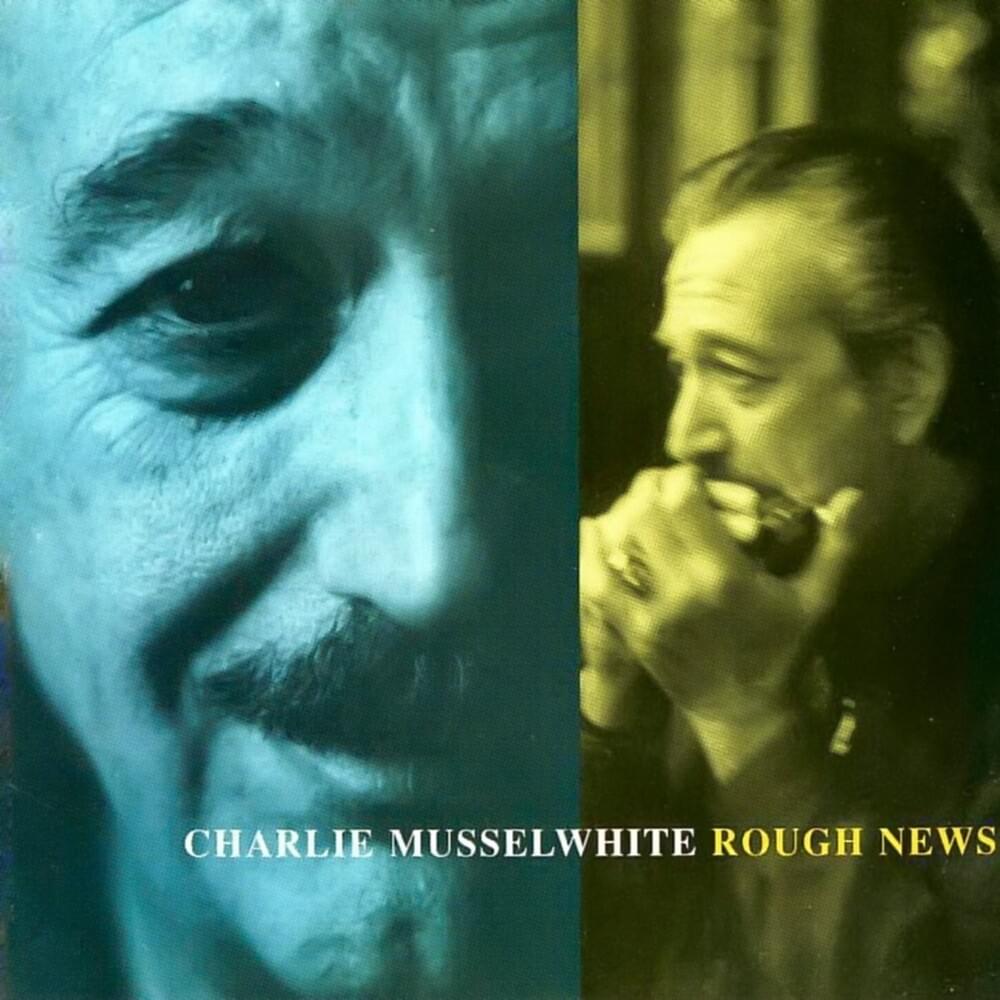
 View Artist