Song Meaning
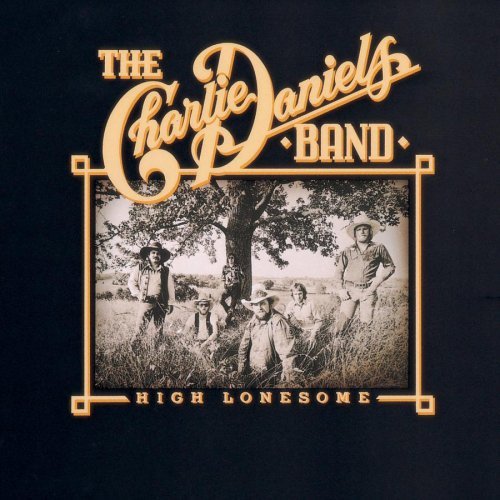
Charlie Daniels’ “High Lonesome” isn't just a country song; it's a deeply personal meditation on contentment, legacy, and the profound connection to a specific place. The lyrics paint a vivid picture of a man finding solace and purpose in the simple rhythms of mountain life. It's a rejection of ambition, a willing embrace of a life lived close to the land, where the rising sun and the sight of a doe with her fawn are enough to fill the soul. The 'little white pup' isn't just a pet; it’s a symbol of companionship and loyalty in a world that often feels increasingly isolating. The high lonesome mountain isn’t just a geographical location; it’s a state of mind, a sanctuary from the complexities and anxieties of modern existence. The song's true genius lies in its ability to transform a specific, personal experience into a universal yearning for peace and belonging. The almost prayer-like repetition of 'God don't ever let this mountain change' is a testament to the fear of losing something precious, something that defines the speaker's very identity.
Daniels masterfully uses imagery of nature to express a deep sense of spiritual connection. The 'laurel-scented breeze' and the 'night birds scolding the mist' aren't just descriptive details; they're sensory anchors that ground the listener in the song's world. The idea that 'heaven is just above the trees' is particularly powerful, suggesting that the divine is not some distant, unreachable concept, but something immediate and accessible, woven into the fabric of everyday life. This isn't about religious dogma, but rather a personal understanding of the sacred found in the natural world. The 'sweet mountain music' evokes the history and traditions of the region, implying that he's not just living on the mountain, he's part of its ongoing story.
Ultimately, “High Lonesome” is about finding peace in the face of mortality. The lines about watching his son grow 'honest and tall' speaks to a desire to leave a positive legacy. The speaker's contentment is not just about his own happiness, but also about the future he envisions for his family. The request to 'just let me lay here on this mountainside' is not morbid, but rather a peaceful acceptance of death as a natural part of the life cycle, returning to the earth from which he came. The song is a powerful reminder that true fulfillment can be found not in the pursuit of wealth or fame, but in the simple act of living in harmony with nature and cherishing the bonds of family and community.
 View Artist