Song Meaning
Charlie Daniels' "Fathers and Sons" isn't just a country ballad; it's a stark exploration of generational inheritance, the silent contracts between men, and the poignant helplessness of parenthood. The song navigates the well-worn territory of father-son relationships, but it does so with a disarming honesty, acknowledging the inherent limitations of influence and the inevitability of individual experience. The opening lines immediately establish the cyclical nature of this dynamic, the father's wisdom offered but ultimately disregarded, a pattern destined to repeat itself. It's less about specific advice and more about the universal struggle to impart hard-earned lessons to a son determined to forge his own path. The lyrics are a commentary on the tension between guidance and autonomy. The father figure understands the pitfalls ahead ('Don't make my mistakes / There are rules you can't break'), but also recognizes the futility of preventing his son's inevitable stumbles.
The chorus cuts to the quick of the matter: 'It's a bridge you can't cross / It's a cross you can't bear / It's the words you can't say / The things you can't change / No matter how much you care.' This isn't saccharine sentimentality; it's a raw admission of the boundaries within the paternal bond. There are emotional chasms that remain unbridged, unspoken anxieties, and immutable differences that persist despite deep affection. The 'river' metaphor is especially potent, suggesting an unstoppable current of time and experience that separates generations, carrying each man along his individual course. The mother's protective instinct is acknowledged, but ultimately framed as insufficient to alter the son's trajectory.
Ultimately, "Fathers and Sons" is a meditation on acceptance. It's about relinquishing control, understanding that a son's journey, replete with its own set of triumphs and failures, is ultimately his own. The song recognizes the inherent pain of watching a child make mistakes, but also acknowledges the quiet pride in witnessing their growth, however divergent from the father's own expectations. The repeated lines, 'That's how it always has been between fathers and sons,' serve as both a resignation and a subtle reassurance, a reminder that this complex, often fraught relationship is a timeless and universal aspect of the human condition. Charlie Daniels doesn't offer easy answers, just a poignant observation of the enduring dance between generations.
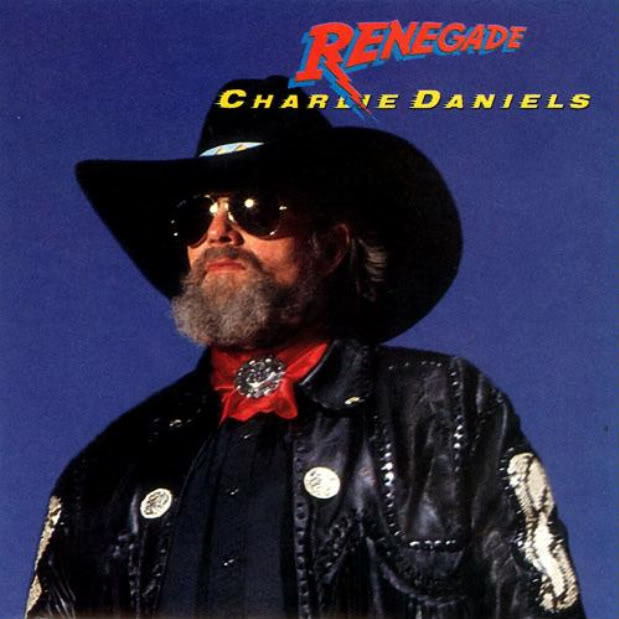
 View Artist