Song Meaning
Charlie Daniels' "Fais Do Do" isn't just a song; it's an invitation—a vibrant, urgent summons to the heart of Cajun culture and courtship. The opening lines, "Les bon temps rouler," immediately set the stage: let the good times roll. This isn't a passive suggestion; it's a command, a cultural imperative to embrace joy and community. The song’s protagonist is clearly smitten, directing his sweetheart to don her "red dress" and assuring her mother of her safe return before dawn. This isn't some clandestine rendezvous; it's a sanctioned, community-embraced celebration. The specific mention of Sonnier's squeeze box (accordion) and Thibadeaux's fiddle paints a vivid picture of the musical landscape awaiting them. These aren't just instruments; they're cultural signifiers, the very heartbeat of the fais do do. The repeated references to the bayou and Boudreaux's house ground the narrative in a specific place, deepening the sense of authenticity.
The chorus, with its imagery of a bateaux gliding down the bayou, emphasizes the journey—both literal and metaphorical—towards connection. The phrase "fais do do," traditionally a lullaby sung to children to make them sleep, here takes on an ironic twist. It's not about rest, but about revelry, a communal dance where inhibitions are shed and relationships are forged. The protagonist's impatience, his plea not to be kept waiting, underscores the urgency of the moment. He’s ready to move their relationship forward.
Verse two reveals the deeper emotional stakes. The zydeco music isn't just background noise; it's an aphrodisiac, fueling the desire to dance and connect. The setting—sunset, new moon—creates a romantic ambiance ripe for a proposal. The line, "I know something that you don't know," hints at the secret he's been harboring, the ring of gold burning a hole in his pocket. "Tonight's the night and you can't say no" is not aggressive, but confident. Within the context of this vibrant celebration, surrender to love feels inevitable. The song, therefore, operates on multiple levels: a celebration of Cajun culture, a portrait of burgeoning romance, and an ode to the transformative power of music and community.
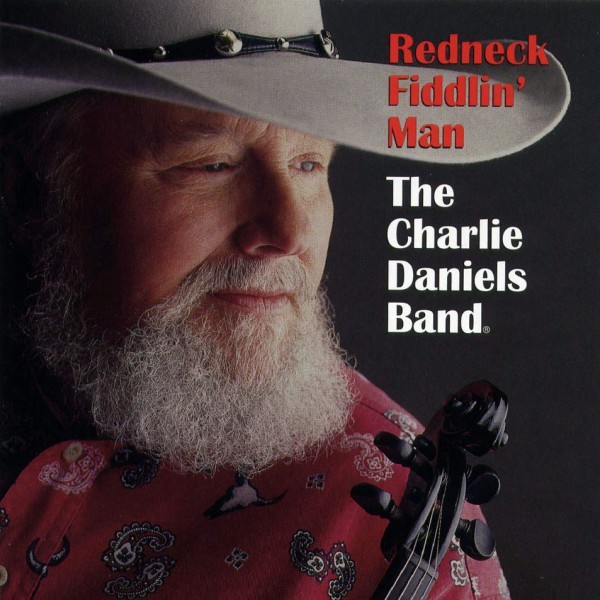
 View Artist