Song Meaning
The lyrics paint a stark picture of isolation and a longing for connection, set against a backdrop of mundane, almost sterile, observation. The repeated emphasis on 'nothing' and 'no one' creates a palpable sense of emptiness. It's a quiet desperation, a feeling of being on the outside looking in, even when surrounded by the potential for interaction.
The central tension seems to stem from this paradox: the narrator is aware of the world moving around them, the 'talk of the town,' yet remains fundamentally detached. This detachment isn't necessarily chosen; it feels like an imposed state, a quiet resignation to being an observer rather than a participant. The phrase 'no one to call' hammers home this profound loneliness.
The most striking aspect is the deliberate use of negation. 'Nothing to say,' 'no one to call,' 'no one around' – this relentless stripping away of potential interaction highlights the depth of the narrator's solitude. The 'talk of the town' itself becomes a distant hum, a signifier of life happening elsewhere, emphasizing the narrator's lack of involvement.
This lyrical approach is effective because it mirrors the feeling of being adrift in a crowd. The simple, declarative sentences and the focus on absence create a powerful emotional resonance. The listener is left with a profound sense of the narrator's quiet despair, a feeling amplified by the very lack of dramatic events described.
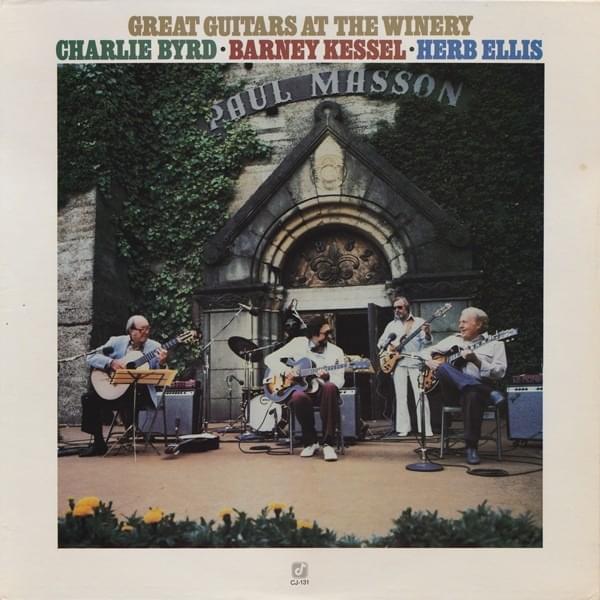
 View Artist