Song Meaning
The narrator finds themselves in a maddening cycle of rejection. They were initially given "every right to love you," yet now the object of affection explicitly desires solitude, pushing the narrator away. This persistent rejection, described as "pushing me away" and "wounding my pride," paradoxically creates a justification, a "right to do wrong," in the narrator's eyes. It's a twisted logic born from emotional neglect.
The central tension lies in this self-created permission to stray. The lyrics highlight a profound lack of reciprocation: "you don't seem to notice that I need you if you care at all it's never shown." This absence of visible affection or acknowledgment fuels the narrator's justification for seeking solace elsewhere, turning to "nameless faces" and "other places" for the love that feels absent at home.
The most striking aspect is the repeated, almost incantatory phrase, "giving me the right to do wrong." This isn't an assertion of freedom but a lament, a consequence of the other person's actions. The final lines introduce a future consequence: the narrator's love will be gone when the other person finally wants them. The blame is then shared, with the other person "forgiving me the right to do wrong," a bitter, ironic twist on accountability.
This writing is effective because it captures the raw, self-destructive spiral that emotional neglect can induce. The narrator isn't simply cheating; they're framing their actions as a direct, almost inevitable outcome of the other person's behavior. The repetition of the core phrase hammers home the narrator's internal conflict and the perceived external justification, making the emotional fallout feel both personal and tragically predictable.
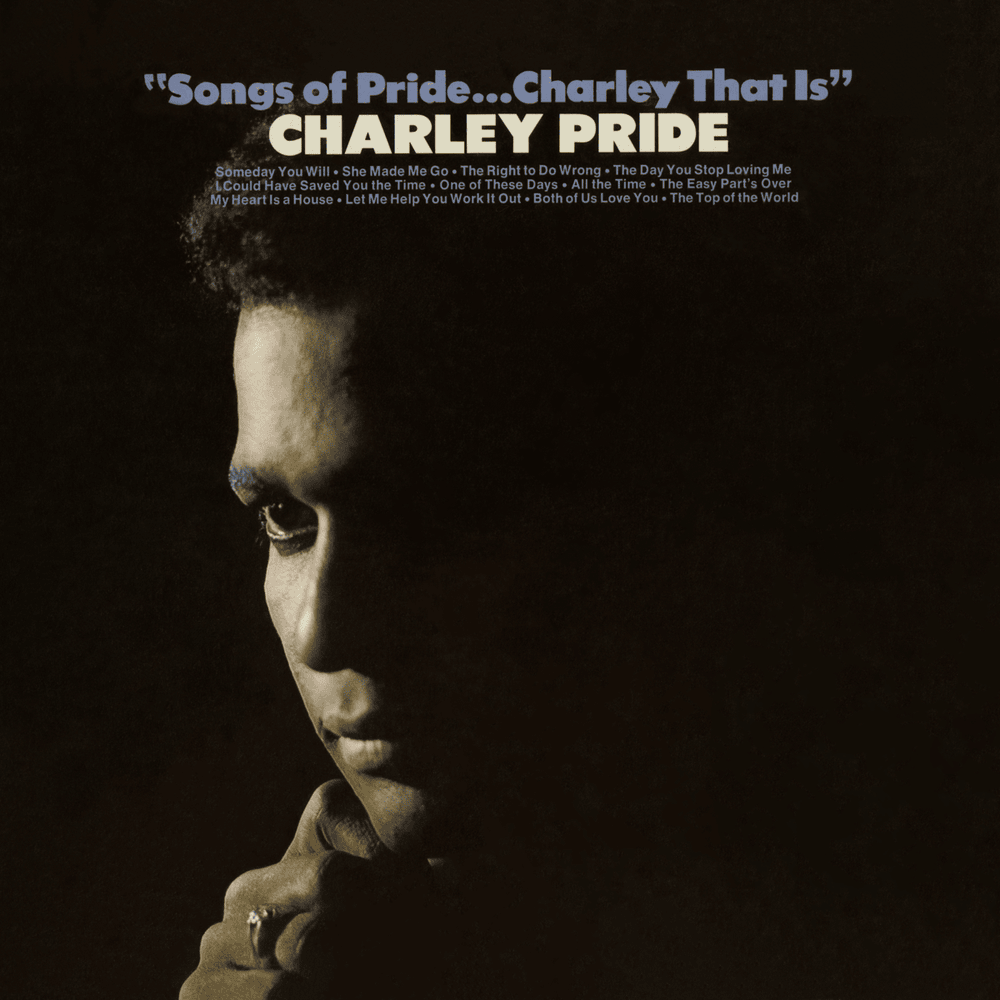
 View Artist