Song Meaning
The lyrics construct a grand, almost hyperbolic, case for a singular person's excellence by comparing them to a pantheon of celebrated figures and achievements. Initially, the narrator lists iconic examples of greatness across different domains: Chuck Berry's music, Man O' War's racing prowess, Sun Valley's slopes, and Di Maggio's baseball skill. These are presented as universally acknowledged peaks of human or natural accomplishment, establishing a baseline of what "the best there is" means in a broader cultural context. The sheer breadth of these comparisons – from sports to entertainment to natural wonders – suggests an attempt to find the ultimate benchmark for superiority.
The core emotional argument, however, pivots sharply and exclusively to romantic love. The narrator repeatedly emphasizes that while these other examples are "the best I've ever seen" or "everybody knows" are great, none can compare to the subject of the song when it comes to matters of the heart. The contrast between the objective, widely recognized greatness of the initial examples and the intensely personal, subjective superiority of the beloved is the central tension. This highlights how, for the narrator, the achievements of legends pale in comparison to the emotional fulfillment provided by this one individual.
The craft lies in this escalating series of comparisons, building an expectation of continued objective greatness, only to redirect it towards intimate affection. Phrases like "no one's above you baby" and "nobody could ever be better for me than you" serve as direct refutations of any other contender, even the titans previously listed. The repetition of "Takin' my heart and fillin' it up" underscores the specific, emotional impact this person has, a feat no "greatest show" or "perfect slope" can replicate. The narrator is not just saying the person is good; they are asserting this person is the absolute pinnacle of what matters to them.
This lyrical strategy is effective because it grounds an intense personal declaration in a shared cultural language of excellence. By invoking widely admired figures and achievements, the song taps into a collective understanding of what constitutes "the best." Then, by declaring that the beloved surpasses even these legendary examples in the crucial realm of love and emotional support, the narrator elevates their personal connection to an almost mythic status. It’s a powerful way to articulate profound affection by showing how it transcends even the most celebrated achievements in the world.
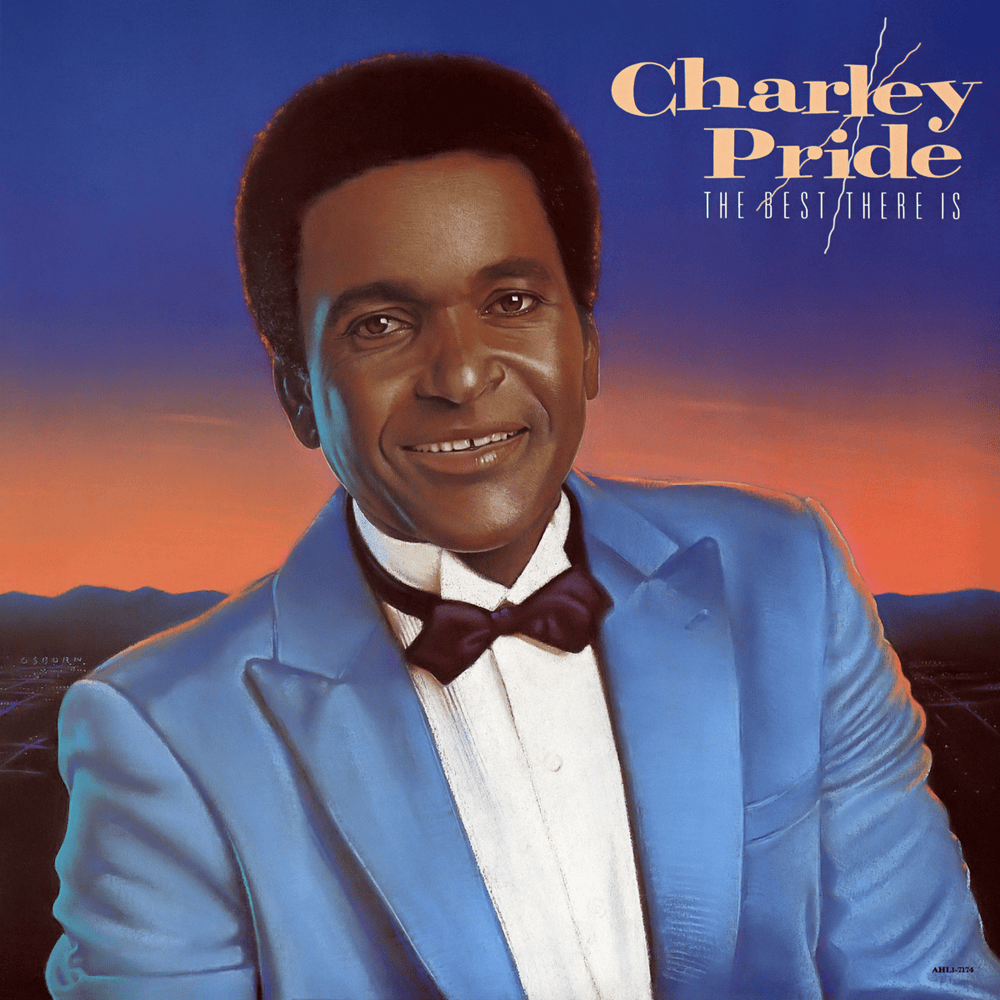
 View Artist