Song Meaning
This track opens with a stark admission: "no way this love can last," immediately setting a tone of weary resignation. The narrator acknowledges the cyclical nature of their relationship, admitting they "keep bringin' up the past." There's a sense of exhaustion, a feeling that the effort to salvage things is futile, as the narrator declares, "No more makin' up it's not worth it anymore." The initial perspective is one of giving up, of recognizing the relationship's inherent fragility.
The core tension arises from this paradox: despite the clear-eyed assessment of past failures and the impulse to walk away ("walked right out backdoor"), the narrator finds themselves drawn back. The chorus, "Falling in love again with you," feels less like a conscious choice and more like an inevitable pull. The lyrics suggest this isn't a reasoned decision but a powerful, almost involuntary resurgence of feeling, as if love itself is the active agent, not the individuals involved. The phrase "easy thing to do" highlights this surrender to the emotion.
The most striking aspect is the shift from resignation to hopeful renewal, framed by the recurring image of the "door." Initially, it represents an exit, a point of departure. However, the narrative pivots, with the narrator wanting to "walked back through that door" and make things "better then before." This reversal transforms the symbol of ending into one of return and recommitment, suggesting that the past, once a source of pain, can become a foundation for a stronger future. The climb mentioned in the chorus, "He's already climb just out on top first time," implies a prior success that fuels the belief in a repeat performance.
Ultimately, the lyrics resonate because they capture the often illogical, yet deeply human, experience of returning to a love that has proven difficult. The effectiveness lies in the contrast between the bleak initial assessment and the hopeful, almost fated, return to love. It’s the feeling of being swept up, of finding that despite all evidence to the contrary, the heart insists on trying again, making the prospect of "falling in love again" feel both surprising and profoundly earned.
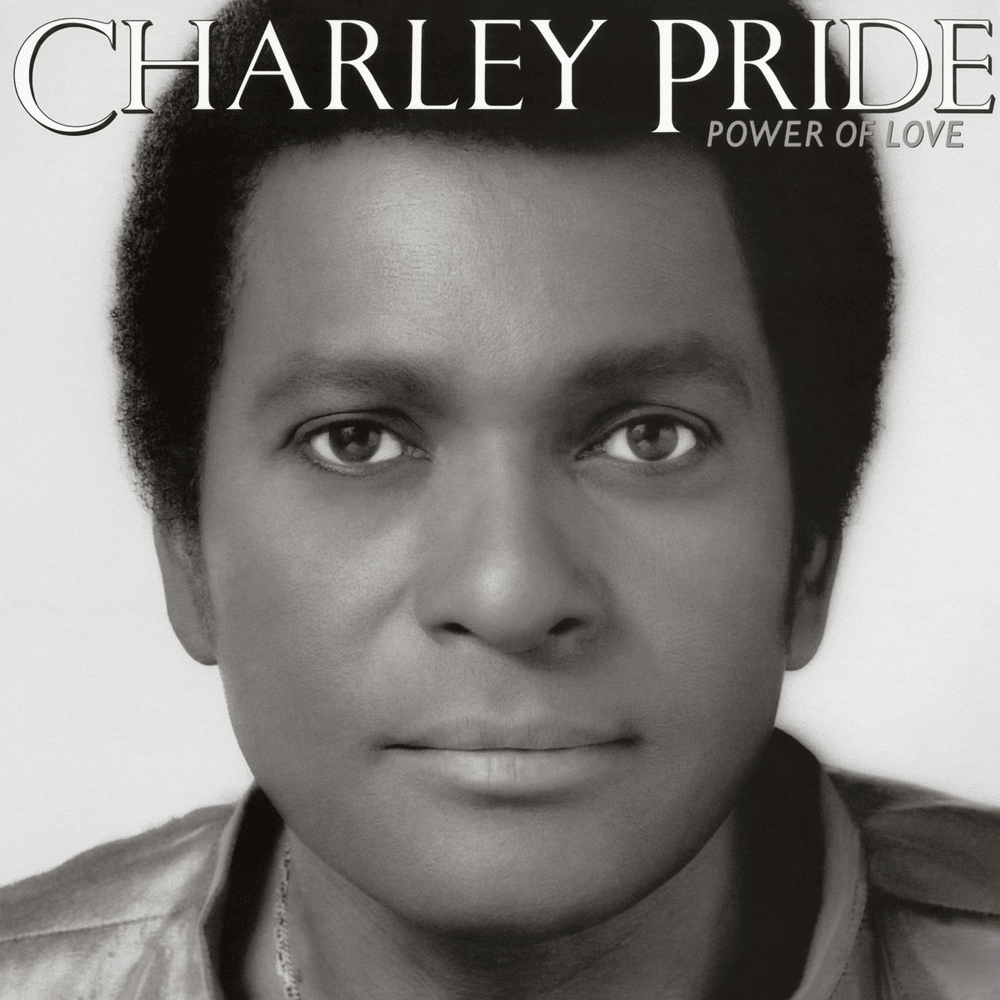
 View Artist