Song Meaning
The lyrics immediately establish a sense of movement and a significant personal upgrade, with the narrator declaring they've acquired a "stone pony" and no longer ride a "Shetland no more." This new mode of transport, perhaps a car or train, seems to offer freedom. Yet, a deeper current of unease quickly surfaces. The speaker appears to be constantly in motion, traversing specific Southern towns.
Despite this newfound mobility, a profound sense of alienation permeates the verses. The repeated lament, "I can't feel welcome rider nowhere I go," directly contradicts the freedom implied by the "stone pony." This creates a central tension: the ability to move freely doesn't translate into finding a place of belonging or acceptance. The narrator is physically present in various locations but emotionally detached, seemingly protecting their own from being "stolen."
The contrast between the "stone pony" and the "Shetland" is a powerful, understated metaphor for a significant life change or upgrade. The "stone pony" is explicitly linked to specific towns like "Vicksburg" and "Greenville," grounding this abstract idea in a tangible, regional landscape. This suggests the narrator's identity is tied to these places, even as they feel unwelcome. The sudden shift to the "Hello, Central" lines, describing a "storm at night" tearing down the "wire," serves as a potent metaphor for severed connections and the inability to communicate or find solace, mirroring the narrator's emotional isolation.
The lyrics effectively convey a restless spirit caught between freedom and profound loneliness. The repeated imagery of movement through specific Southern towns, juxtaposed with the narrator's emotional displacement, creates a vivid picture of someone searching for a place they can call home but continually finding barriers. The defensive stance, "to keep you from stealing mine," further highlights a guardedness, suggesting past hurts or a constant need for self-preservation. The final image of the broken telephone line due to a "storm" powerfully encapsulates this inability to connect, leaving the listener with a sense of unresolved longing and the harsh reality of external forces disrupting personal peace.
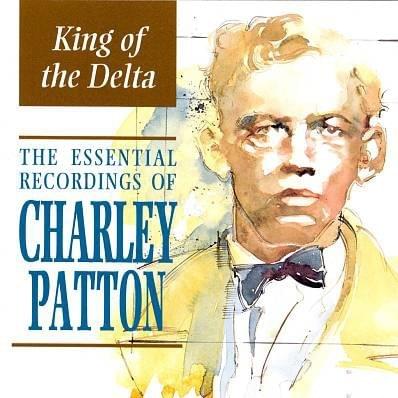
 View Artist