Song Meaning
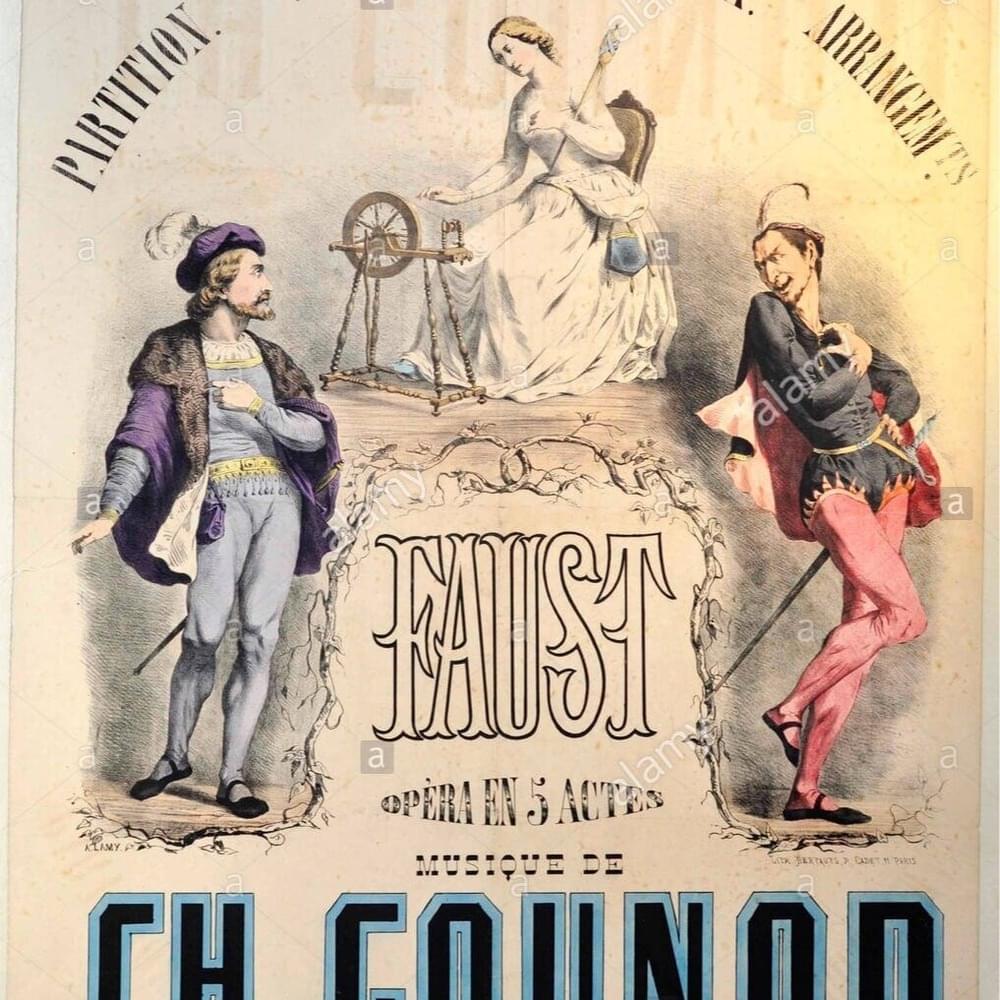
The narrator is captivated by her own reflection, reveling in a newfound beauty that feels almost regal. She laughs at the image, questioning if it's truly her, Marguerite, or someone else entirely. The lyrics suggest a dramatic transformation, moving from a perceived ordinary self to someone worthy of royal attention. This shift is so profound it feels like a metamorphosis, spurred by the desire to be seen and admired by a specific, absent figure.
The central tension lies in this disassociation from her former self and the embrace of a more elevated identity. The repeated question, "Est-ce toi, Marguerite, est-ce toi?" highlights her struggle to reconcile the past with the present image. The arrival of the bracelet and necklace intensifies this, feeling like a divine affirmation, a "hand" that completes the illusion of royalty. It's a moment of self-discovery, albeit one mediated by external adornment and the anticipation of a male gaze.
The most striking craft element is the dramatic irony woven throughout. The narrator claims "ce n'est plus toi" (it is no longer you) while gazing into a mirror, a device meant to show the self. This contrast between the perceived reality of the reflection and her internal declaration of change creates a powerful sense of delusion or wish fulfillment. The repetition of "Ah! je ris de me voir / Si belle en ce miroir" underscores the intoxicating, almost manic joy of this self-deception.
These lyrics resonate because they capture the potent, sometimes fleeting, magic of self-perception shifting dramatically. The narrator’s delight isn't just about beauty; it's about the perceived elevation of status and the thrill of imagining oneself as someone else, someone more admired. The writing makes this internal drama palpable, transforming a simple act of looking in a mirror into a moment of profound, if temporary, self-actualization.
 View Artist