Song Meaning
The lyrics paint a picture of dawn breaking, but the beloved's door remains shut, creating an immediate sense of longing and gentle frustration. The speaker addresses his "charming" love, questioning her slumber when nature itself is awakening. This sets up a tender, almost pleading tone, highlighting the speaker's desire for connection as the world comes alive around them.
The central tension lies between the external world's vibrant awakening and the beloved's internal stillness. While the rose unfurls and the dawn arrives, the speaker feels a stark contrast with the closed door and the sleeping lover. This contrast amplifies the speaker's isolation and the intensity of his own feelings, personified as a singer and a weeper.
The most striking craft element is the series of declarations at dawn. The aurora proclaims itself as "the day," the bird as "harmony," and then the speaker asserts, "And I say: I am love!" This escalating series of pronouncements, culminating in the speaker's own identity as love, powerfully underscores his desperate plea to be acknowledged and let in, framing his love as a force as elemental as daybreak or birdsong.
This lyrical structure makes the song hit so hard because it grounds an intimate, personal plea in the grand, undeniable forces of nature. The repetition of "Ô ma charmante / Écoute ici / L'amant qui chante / Et pleure aussi!" acts as a recurring motif, a lament that emphasizes the speaker's dual state of hopeful serenading and sorrowful rejection, making his love feel both beautiful and heartbreakingly vulnerable.
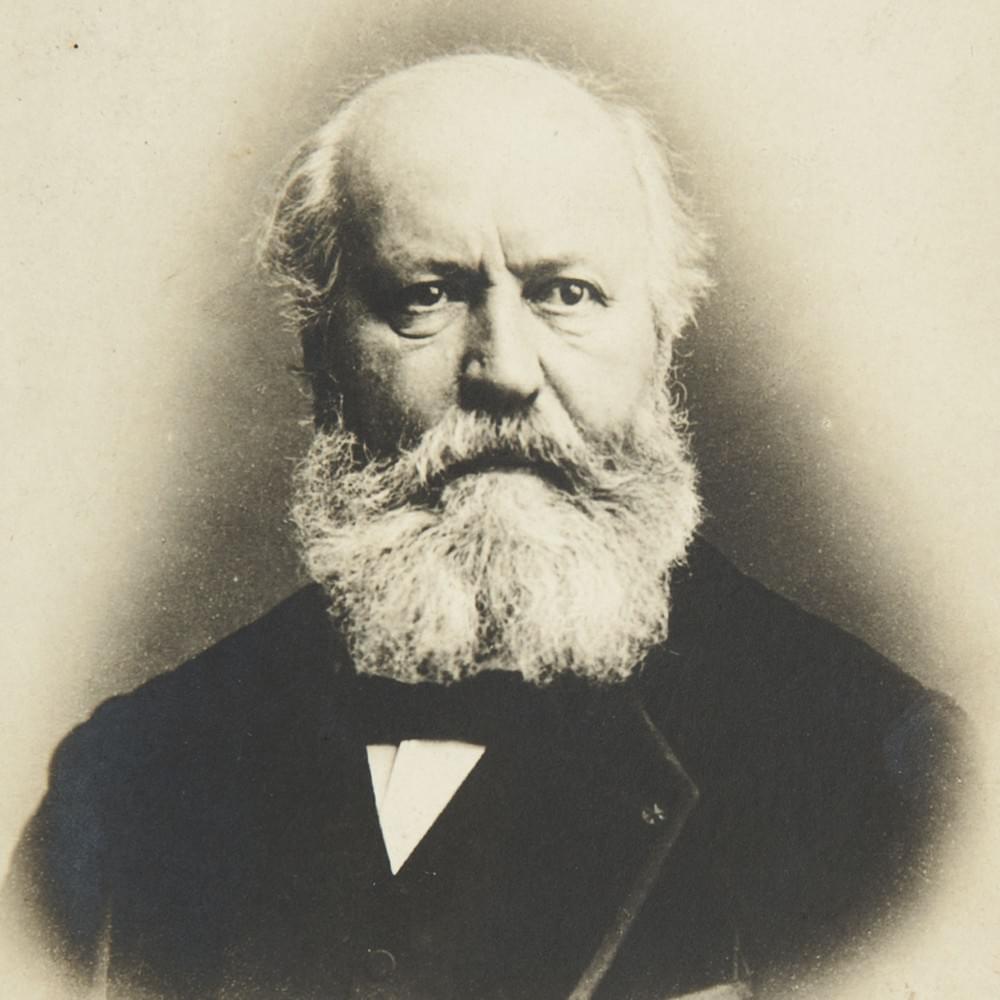
 View Artist