Song Meaning
The lyrics paint a picture of a relationship where national identity and origin are initially presented as appealing points of connection. The narrator is drawn in by the mention of "Your family's from London," suggesting a shared or at least interesting heritage. This initial fascination sets the stage for a deeper, almost idealistic view of connection, where personal bonds could transcend geopolitical boundaries.
The central tension seems to lie in the contrast between the grand concept of "statecraft" and the intimate desire for personal connection. The repeated "Statecraft (x5)" acts as a refrain, a constant reminder of the larger world and its divisions. Yet, the narrator muses, "If I knew you well enough / Nations wouldn't matter," revealing a yearning to bypass these structures for a more fundamental human bond. The mention of a sister in Australia, who "used to love her," adds a layer of personal history and potential past affections that further complicates the idea of belonging and connection.
The most striking element is the juxtaposition of global politics with mundane, almost domestic desires. The repeated plea, "Bring me a coca-cola," is disarmingly simple, grounding the abstract "statecraft" in everyday reality. This desire for comfort and familiarity, expressed as "Everywhere I go / It's just like my home," suggests a search for a stable, personal space amidst the complexities and potential alienation implied by the overarching theme of statecraft. The final, abrupt "Rock n' roll" feels like a defiant, perhaps even dismissive, assertion of personal taste or a cultural touchstone against the weight of larger forces.
Ultimately, these lyrics resonate because they capture the universal human impulse to find genuine connection in a world often defined by borders and political divisions. The craft lies in using the weighty term "statecraft" to highlight the seemingly insurmountable barriers that can exist even in intimate relationships, while simultaneously grounding the narrator's desires in simple, relatable comforts like a drink and a sense of home. The repeated refrain of "Statecraft" hammers home the pervasive nature of these external forces, making the narrator's personal yearnings feel both poignant and defiant.
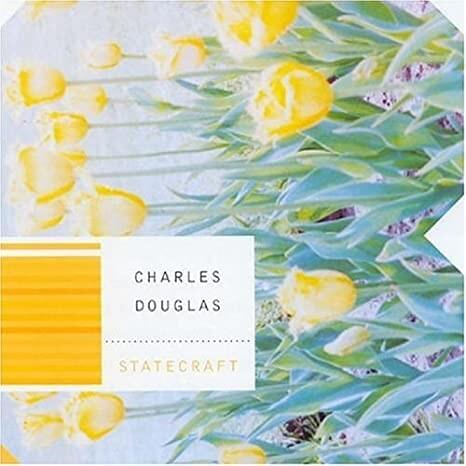
 View Artist