Song Meaning
The lyrics paint a picture of immense, perhaps insurmountable, effort against the relentless march of time. The opening lines directly invoke the myth of Sisyphus, suggesting a task so heavy it requires Herculean courage, even with a dedicated heart. This immediately establishes a tone of Sisyphean struggle, where the sheer scale of the work dwarfs the available time, a sentiment that resonates deeply with creative endeavors.
The dominant emotional tension lies in the contrast between the desire to create or achieve and the inevitable limitations imposed by mortality. The narrator's heart beats like a "veiled drum" towards "funeral marches," a somber image that links personal effort with the finality of death. This isn't just about a difficult task; it's about the poignant awareness that life's span is insufficient for the depth of artistic ambition or the full realization of potential.
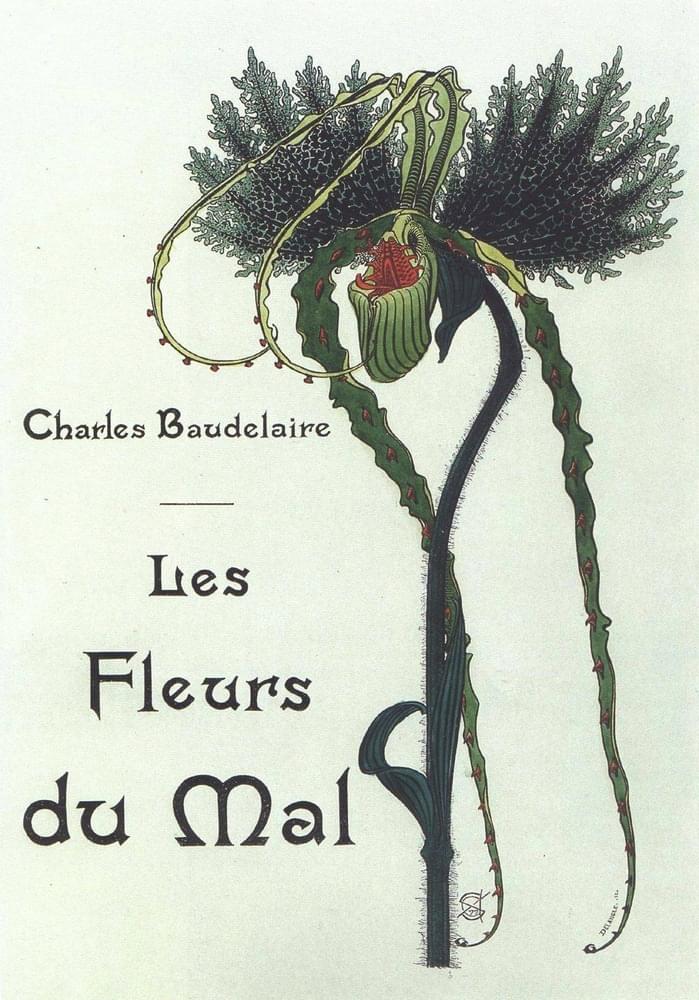
A striking image is that of "many a jewel" lying "buried in darkness and oblivion," far from any tools of discovery. This powerfully illustrates the idea of hidden, unrealized value, much like the "many a flower" that "pours out its scent in regret" in "deep solitudes." The comparison of buried potential to a flower releasing its fragrance unseen highlights a profound sense of wasted beauty and unrecognized worth, a quiet tragedy unfolding in isolation.
What makes these lyrics so effective is their melancholic elegance in articulating a universal feeling of striving against limits. The carefully chosen imagery—the veiled drum, the buried jewels, the solitary flower—evokes a deep sense of pathos. The poem doesn't offer solutions but rather a profound, almost resigned, acknowledgment of the struggle, making the reader feel the weight of unfulfilled potential and the quiet dignity of persistent effort in the face of oblivion.
 View Artist