Song Meaning
Charles Aznavour’s "Who (Will Take My Place)" is not just a love song; it's a stark meditation on mortality and the uniquely human fear of being replaced. The opening lines, steeped in the wisdom (and melancholy) of age, immediately dismantle youthful illusions of eternal love. Aznavour sets the stage for existential dread, contrasting the boundless dreams of youth with the harsh reality of life's fleeting nature. The image of life as a "summer flower" is a poignant reminder of our temporary existence, framing the central question of the song with a sense of urgency. The song meaning, at its core, explores the insecurity inherent in love when confronted with the inevitability of death. Aznavour isn't simply asking who will inherit his lover's affections; he's grappling with the terrifying prospect of oblivion.
The recurring question, "Who," echoes through the lyrics like a persistent, unanswered prayer. It’s a litany of anxieties: who will share the intimate joys, the comforting touch, the wild delights only he has known? The beauty of the song lies in its raw honesty. Aznavour doesn't shy away from the possessive nature of love, the desire to be irreplaceable. The bridge introduces a layer of bitterness, a cynical questioning of fate. The lines, "Why do the gods above me / Play the cynical game?" reveal a sense of betrayal, a feeling that life is a cruel joke played on those who dare to love deeply. This isn't just about romantic love; it's about the human need for connection and the fear that our existence will ultimately be erased.
The final verse dives deeper into the disillusionment. "Life, isn't what it seems / Fickle as the wind / As fragile as dreams" is a bleak assessment of human existence. The question then shifts from his own loss to the pain his death will inflict: "Who will ease your pain? / Kiss away your tears?" This demonstrates a profound empathy, a concern that transcends his own mortality. The concluding line, "And bury me again?" is particularly haunting. It suggests that even in death, he will be reliving the trauma of separation, the fear of being forgotten. Through his lyrics analysis, it's clear that Aznavour’s "Who (Will Take My Place)" is a powerfully vulnerable exploration of love, loss, and the human condition, made all the more poignant by the artist's own legendary status and the awareness that, one day, someone *will* take his place in the cultural landscape.
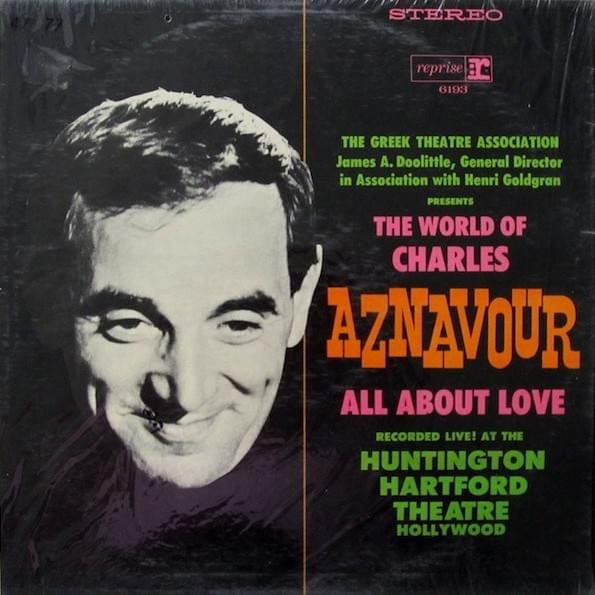
 View Artist