Song Meaning
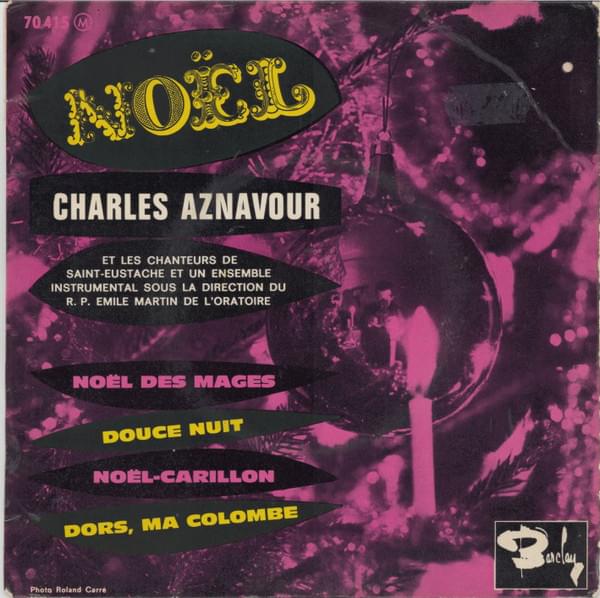
Charles Aznavour's "Noël des mages" isn't just a Christmas carol; it's a distilled meditation on faith, kingship, and mortality. Through deceptively simple lyrics, Aznavour retells the story of the Magi, each bearing symbolic gifts that acknowledge the multifaceted nature of the newborn Christ. The song’s power lies not in elaborate musical arrangements, but in its lyrical precision, making the familiar biblical narrative freshly resonant. Aznavour, a master of emotional nuance, invites listeners to consider the profound implications of this ancient story. This is not merely a recounting of events but an exploration of the psychological weight carried by these symbolic offerings. Why these gifts, and what do they reveal about the human condition and our yearning for meaning?
The gold, offered by the first mage, is more than just a precious metal; it signifies kingship, a recognition of earthly power and authority vested in this divine child. The lyrics highlight the mage's faith as the reason for this offering, suggesting a conscious decision to submit to a higher power. This act becomes a poignant exploration of power dynamics and the human need for hierarchical structures, even in the face of the divine. Next, the second mage presents incense, a fragrant offering that acknowledges the child's divinity. The lyrics emphasize the mage's certainty, a lack of "attente," or waiting, signifying a profound understanding of the child's true nature. This speaks to the human desire for certainty and the psychological comfort derived from unwavering belief.
Finally, the third mage offers myrrh, an embalming oil, a stark reminder of mortality. This gift is perhaps the most psychologically complex, acknowledging the child's human nature and foreshadowing his eventual suffering and death. The lyrics state that the mage desires to satisfy, suggesting a need to fulfill a perceived obligation. It highlights the human struggle with mortality and our attempts to reconcile the divine with the inevitable realities of human existence. The repetition of "Noël" at the end serves as a cyclical reminder of the enduring themes of faith, mortality, and the eternal search for meaning embedded within the Christmas story.
 View Artist