Song Meaning
Charles Aznavour's "Le jour se lève" isn't just a morning song; it's a melancholic autopsy of joy. The lyrics dissect the post-carnival emptiness with a surgeon's precision. The opening lines, "Voyez le jour se lève mes amis / Le soleil a l'air lui aussi / De n'avoir pas beaucoup dormi," immediately establish a weary tone. The sun itself is hungover, a mirror to the revelers' own exhaustion and spiritual depletion. Aznavour masterfully captures the distinct sting of anticlimax, the profound letdown that follows intense pleasure. The deflated streamers and extinguished lanterns symbolize the death of illusion, a theme that runs deep in the song. The joy, he suggests, is beautiful only in the darkness, implying a fragility and temporality to happiness itself. The song meaning hinges on this contrast: the vibrant, manufactured ecstasy of the carnival versus the stark, unavoidable reality of the morning after.
The recurring motif of the daybreak ("le jour se lève") serves as a brutal awakening. It's not just the end of the party, but a confrontation with the void left behind. "Venez le jour se lève avec ennui / Les illusions se sont enfuient / La joie n'est belle que la nuit"—these lines are the song's emotional core. Aznavour points to the addictive nature of manufactured joy. The anticipation, the "burning impatience" for the next carnival, speaks to a deeper human need to escape, to lose oneself in collective euphoria. However, this escape is inherently unsustainable, leaving individuals feeling "plus triste encore qu'avant" once the music fades. The lyrics analysis reveals Aznavour's understanding of the cyclical nature of desire and disappointment.
"Le jour se lève" ultimately laments the human condition's inherent dissatisfaction. The poignant observation that "il faudrait pour tous les humains / Qu'il n'y est pas de lendemain" is a stark expression of this. It's not merely a wish for eternal revelry, but a recognition that the comedown is often too painful to bear. The song becomes a meditation on the fleeting nature of joy, the bittersweet memory of shared experiences, and the inescapable return to a mundane reality. The lyrics paint a vivid picture of the post-party desolation, but also hint at a deeper longing for something more enduring than ephemeral pleasures. Aznavour doesn't offer solutions, only a beautifully rendered portrait of the human heart wrestling with its own desires and disappointments.
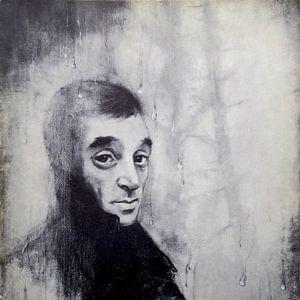
 View Artist