Song Meaning
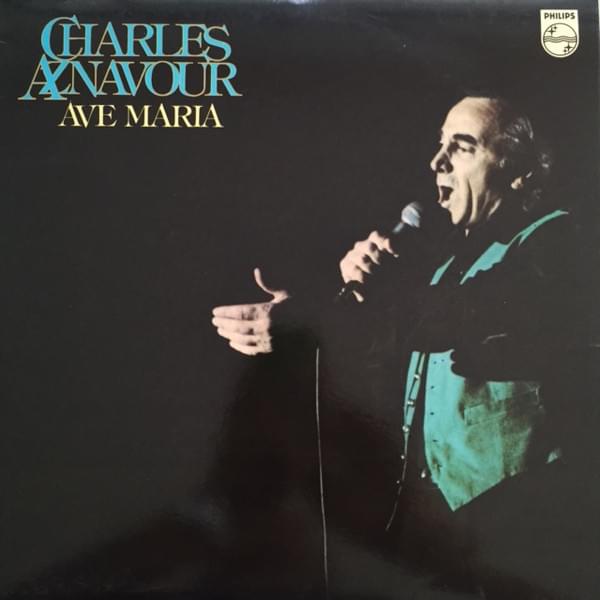
{"song_id": 12915826, "meaning": "Charles Aznavour's Italian rendition of \"Ave Maria\" isn't merely a hymn; it's a raw, intimate plea born from the depths of human suffering. Stripped of ornate religiosity, Aznavour presents the Virgin Mary not as an untouchable icon, but as a figure intimately acquainted with earthly misery. The repeated invocation, \"Ave Maria, Ave Maria,\" becomes a mantra, a desperate reaching out to someone who understands the weight of existence. This isn't about pious devotion; it's about finding solace in shared pain. The lyrics explicitly state that those who have suffered come to Mary, recognizing her understanding of \"misery and the pain of human days.\"
The genius of Aznavour's interpretation lies in its simplicity. He bypasses theological complexity, focusing instead on Mary's role as a mother who sacrificed her son. The line, \"You who gave the son you have to redeem us,\" underscores the profound empathy she possesses, making her uniquely qualified to understand the sorrow of others. This is a Mary who knows what it means to lose, to grieve, to bear the unbearable. Consequently, she becomes a beacon for those who are losing hope, those \"who always have less.\" The request isn't for miracles, but for understanding, for a connection with someone who sees their pain.
Ultimately, Aznavour's \"Ave Maria\" is a song about finding light in the darkness. The singer confesses, \"There is night in my eyes,\" a stark acknowledgement of despair. The plea then shifts from simple invocation to a direct request: \"Maria, light up my path, and take me far away.\" This isn't a passive prayer for divine intervention. It's an active yearning for guidance, for a way out of the oppressive darkness. It's a testament to the enduring human need for connection, for empathy, and for a glimmer of hope in the face of overwhelming suffering. The song meaning resonates because it frames faith not as blind acceptance, but as a lifeline thrown to those drowning in sorrow."}
 View Artist