Song Meaning
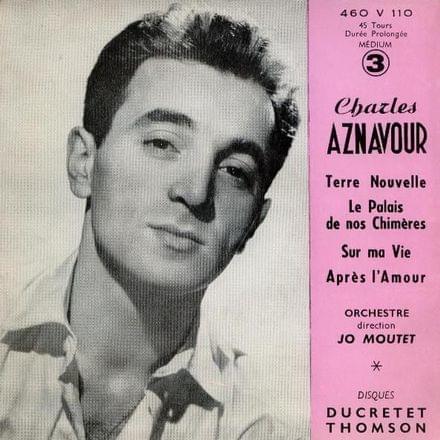
Charles Aznavour's "Après l'amour" isn't a tale of grand passion, but a study in the exquisite quiet that follows. It's a sonic painting of the post-coital landscape, where the frantic energy of physical intimacy dissolves into a shared, unspoken understanding. Forget fireworks; Aznavour is interested in the embers. The lyrics bypass the act itself, focusing instead on the serene aftermath, a space where vulnerability and contentment intertwine. This isn't about lust, but the tender connection forged in its wake. Aznavour masterfully captures the essence of shared intimacy, the almost meditative state achieved when bodies, "détendent" (relax) and spirits align. The emphasis on silence – "Sans dire un mot, sans faire un geste" – speaks volumes. It's in this quietude that true connection is revealed, unburdened by the need for performative affection. The second verse, with its repetition of "Après l'amour," functions like a mantra, grounding the listener in this specific moment. The image of two people, "presque nus" (almost naked), sharing a smile encapsulates the song's core message: genuine intimacy lies not in the act, but in the shared vulnerability and contentment that follows. Aznavour eschews grand pronouncements of love, choosing instead to depict a more nuanced, realistic portrayal of connection. The song delicately explores the vulnerability and peace found in those fleeting moments after physical intimacy, where the world outside fades away, and only the shared experience remains. The final verse completes this intimate portrait, solidifying the feeling of unity and shared peace. The closing sentiment, "Pour rêver..." (To dream...) suggests a hopeful outlook, implying that the connection forged in these moments can extend beyond the physical, offering solace and inspiration for the future.
 View Artist