Song Meaning
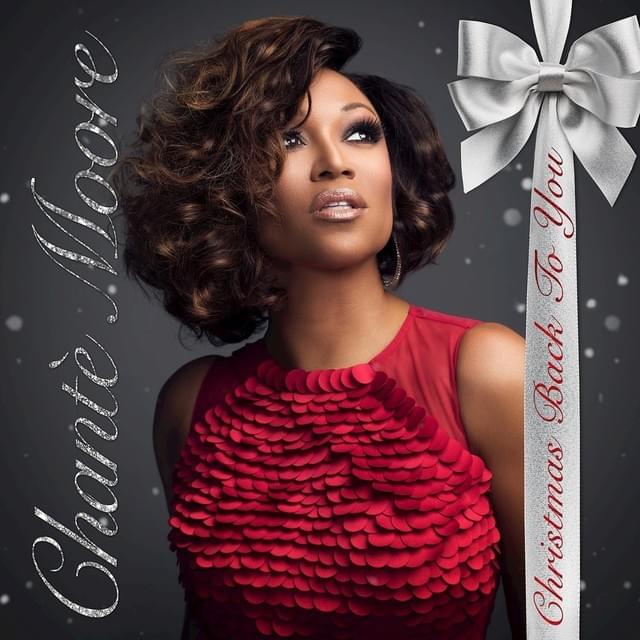
Chanté Moore's rendition of "Silent Night" isn't merely a Christmas carol; it's a carefully constructed sonic tapestry of awe and reverence. The lyrics, steeped in biblical imagery, paint a portrait of the Nativity not as a quaint scene, but as a moment of cosmic significance. The 'silent night' itself becomes a metaphor for the profound stillness that precedes divine revelation, a hush that allows the 'heavenly hosts' and 'radiant beams' to break through the mundane. Moore's interpretation, presumably, seeks to find a space for the listener to occupy a similar state of open receptivity. The 'virgin mother and child' are central, representing purity and new beginnings. The song is about, fundamentally, the Christian belief of redemption through Jesus Christ.
The recurring phrase 'holy night' serves as both anchor and exclamation, driving home the sacredness of the event. The shepherds' fear underscores the overwhelming power of the divine manifestation. It's not simply a peaceful scene, but a disruptive one, shattering earthly expectations. The 'Alleluia' refrain reinforces this sense of ecstatic joy and liberation. Moore's vocal choices—the soaring notes, the delicate vibrato—likely aim to elevate the listener beyond the everyday, inviting a sense of spiritual transcendence. The 'love's pure light' phrase encapsulates the essence of the Christian message, suggesting that the birth of Christ is synonymous with the arrival of unconditional love into the world.
Ultimately, the song meaning of "Silent Night," as interpreted by Chanté Moore, transcends its historical context. It becomes a meditation on the power of faith, the promise of salvation, and the transformative potential of divine grace. The lyrics analysis shows that it's a reminder that even in the darkest of nights, hope can be born, and that even the most ordinary of circumstances can be touched by the extraordinary. The song invites us to contemplate the mystery of the incarnation and to open our hearts to the possibility of redemption.
 View Artist