Song Meaning
Chantal Kreviazuk's "Lost" is less a lament of being adrift and more an intimate portrait of enduring trauma. The opening lines act as a gentle, almost maternal, voice guiding someone through a moment of intense crisis. "Now, now you must sit / No one's judging you / You get a pass on this" suggests a dispensation from the everyday pressures of life, a temporary reprieve granted by some unseen authority, perhaps the singer herself. The repeated encouragement to "look ahead / Into the future" isn't naive optimism; it's a survival tactic, a way to mentally escape the present pain by envisioning a self that still exists beyond it. The reassurance of safety, repeated like a mantra, underscores the precariousness of the subject's mental state. It is an attempt to self-soothe through verbal affirmation.
The stark reality of Kreviazuk's song meaning emerges in the chorus. The admission that "the only hope you've got / Is breathing in and breathing out" is not a platitude but a recognition of the fundamental, almost primal, act of survival. It strips away any pretense of easy solutions or grand narratives of recovery. The line "you know you can't make it stop / That's what tragedy is all about" is the song's core. It's an acceptance of the uncontrollable nature of grief and suffering. The repetition of "We're lost" doesn't signal defeat. Instead, it’s a shared acknowledgment of a disorienting reality.
Ultimately, "Lost" finds its power in its closing lines. The vision of a future "when the fire is out" offers a glimmer of hope, but it's not a guaranteed happy ending. It's simply the possibility of seeing the world again, of walking around in it, even with the knowledge that the trauma has irrevocably changed the landscape. The final assertion that "this place we're in is right / Even though it feels like / We're lost" is a complex and somewhat paradoxical statement. It suggests a deeper understanding that even in moments of profound disorientation and suffering, there is a sense of being exactly where one needs to be, a necessary part of a larger, albeit painful, journey. The song offers no easy answers, just a shared space for acknowledging the disorienting weight of loss.
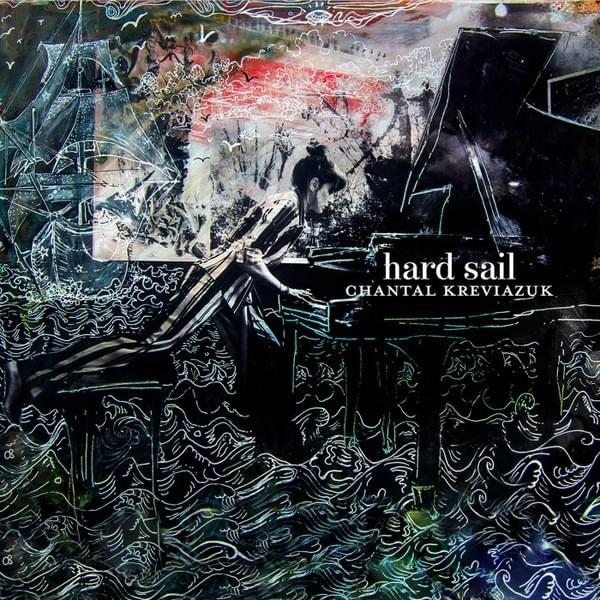
 View Artist