Song Meaning
The lyrics paint a tender, if slightly unsettling, portrait of Geppetto's creation. He envisions crafting shoes for his wooden boy, a tangible expression of shared joy and dance. The immediate offer of care, "Si acaso te astillases, ven aquí," reveals a deep-seated desire for connection and a preemptive acknowledgment of the puppet's inherent fragility. Geppetto's laughter, "ja, ja, eso haré," carries a hint of both affection and perhaps a touch of delusion, as if the act of creation itself is a guarantee of success.
The core of the narrative lies in Geppetto's fervent wish for his creation to transcend its material origins. He repeatedly declares, "Pinocho, mi Pinocho es," emphasizing possession and a profound sense of ownership over this wooden figure. The repeated phrase "Lo que hay que ver" suggests a marvel, something extraordinary that demands attention, highlighting the unique status of this puppet in his life. This isn't just a toy; it's a project of immense emotional investment.
The most striking aspect is the direct assertion, "Mi niño de verdad vas a ser." This line encapsulates the central tension: Geppetto's desperate hope that his "hijo de madera" will somehow become a real child. The lyrics don't offer any magical intervention, only Geppetto's unwavering belief and his commitment to care. It's this powerful, almost desperate, projection of humanity onto an inanimate object that gives the short passage its poignant, almost melancholic, weight.
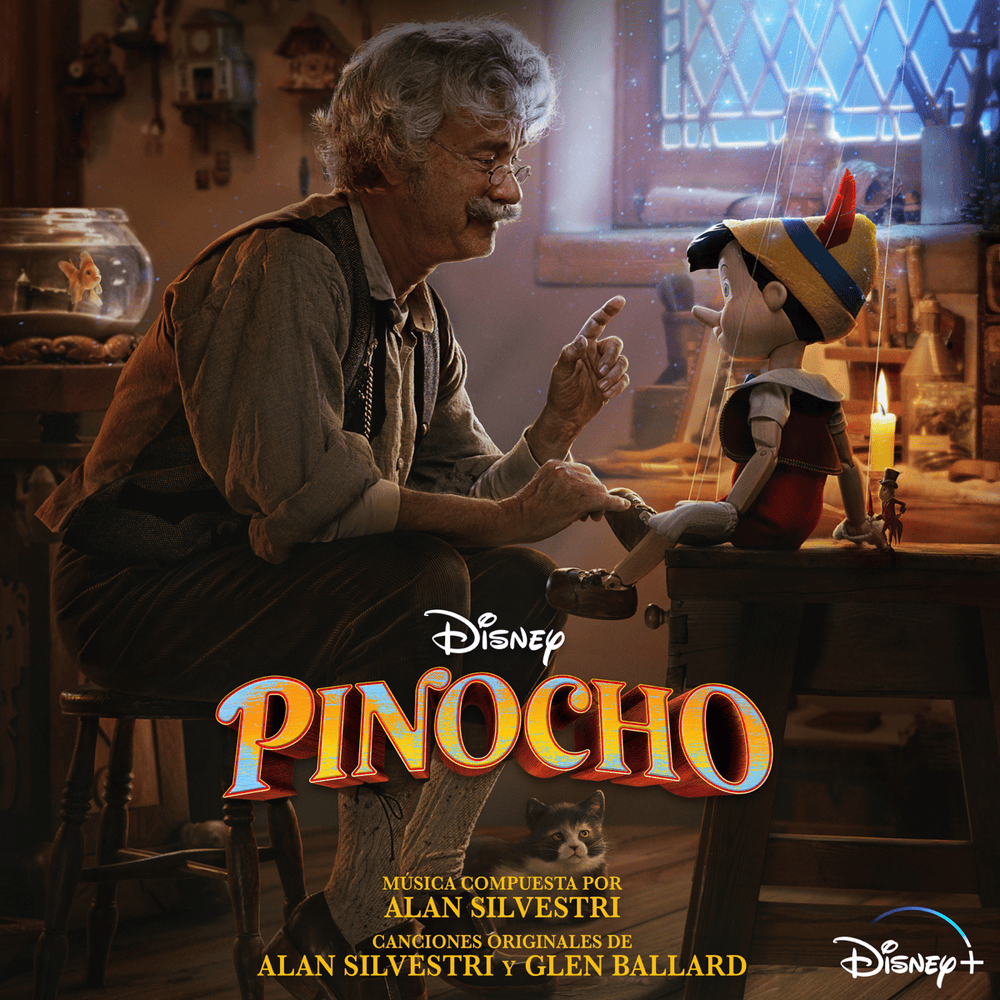
 View Artist