Song Meaning
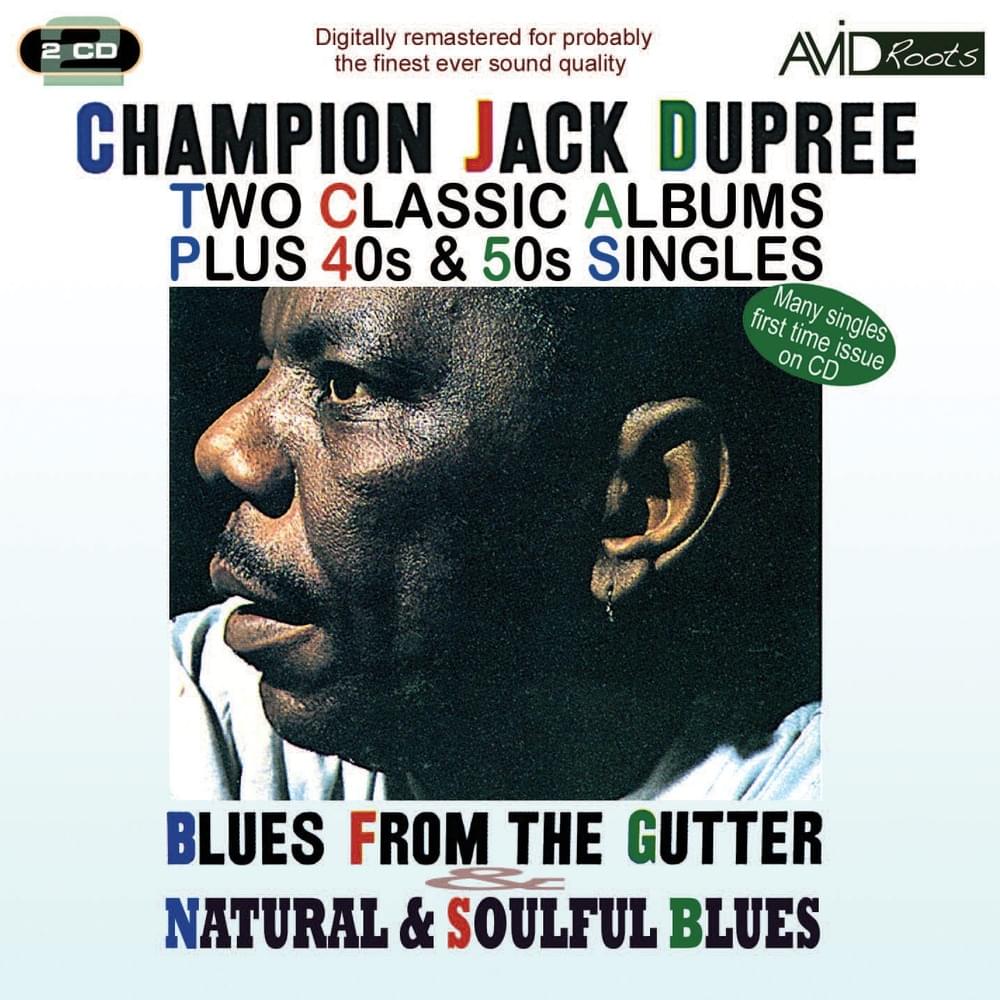
Champion Jack Dupree's "Slow Drag" isn't merely a song; it's a primal scream distilled into blues form, a raw, honest testament to life's messy realities. The spoken introduction lays bare the song's origins, a humble beginning on the piano that evolved into a crowd-pleasing performance. Dupree acknowledges the simplicity of the tune, almost childlike in its construction, yet imbued with a power that resonated deeply, particularly with women who "scream and holler" in response. This isn't just music; it's a visceral connection, amplified by the potent combination of blues and booze. The near-confessional tone hints at a man laying bare his soul, unvarnished and unapologetic. It's a performance, yes, but one that bleeds into the real.
The heart of "Slow Drag" beats with the age-old blues lament: the woman done gone. Dupree succinctly captures the blues' genesis as a woman's gift—a gift of pain, loss, and the hollow ache of absence. "You got a good woman and lose her, You done lost half of your life" is not hyperbole; it's a brutal assessment of the emotional devastation that romantic loss inflicts. The lyrics don't wallow in self-pity, but rather state a painful truth with weary resignation. This sentiment is the bedrock of countless blues songs, but Dupree delivers it with a sincerity that cuts through the genre's well-worn tropes.
Beyond romantic loss, "Slow Drag" hints at a broader sense of hardship. Dupree sings of losing "a whole lotta stuff in pawn," suggesting a life lived on the margins, where even material possessions are fleeting and vulnerable. Yet, amidst the loss and the liquor-fueled screams, there's a glimmer of hope, a belief that "someday things will change." This isn't naive optimism, but rather the resilient spirit that defines the blues—an acknowledgment of suffering coupled with an unwavering faith in the possibility of redemption. The "Slow Drag" becomes more than a dance or a song; it's a metaphor for the long, arduous journey through life's trials, a journey undertaken with a mix of pain, passion, and the enduring promise of a better tomorrow.
 View Artist