Song Meaning
Champion Jack Dupree's "Postman's Blues" isn't just a lament; it's a distilled shot of anxiety and longing, poured straight from the veins of a man desperate for news from his baby. The blues, at its heart, is about waiting – for a lover, for a break, for a change of fortune. Dupree embodies this perfectly, transforming the mundane act of waiting for the mail into an agonizing daily ritual. Each passing day without a letter becomes a fresh wound. The postman, in this context, becomes a symbol of connection, or rather, the frustrating lack thereof. He's the gatekeeper to the singer's emotional well-being, and his tardiness or perceived incompetence amplifies the ache of separation.
The lyrics hint at a deeper psychological state. The repeated lines emphasize the obsessive nature of the wait, bordering on paranoia. "I believe the postman is home in bay / If he ain't got my mail, I think he done lost his head" suggests a mind spiraling into irrational thoughts. The singer is not merely disappointed; he's constructing elaborate scenarios to explain the absence of a letter. This speaks to the power of hope and the crushing weight of its potential disappointment. The postman's routine – “He pass everyday along about 11 o'clock” – becomes both a comfort and a torment, a reliable marker of time that simultaneously underscores the duration of the separation.
Finally, the proposed move to Chicago, "where the plane fly over head," offers a glimpse of a possible escape, or at least a change of scenery. But even this is tinged with resignation. If the singer can't get news in his current location, perhaps the constant reminder of movement and connection – the planes overhead – will offer some solace, even if it's just a distraction from the silence. Or, perhaps more darkly, he'll just "stay right home in bay," defeated and resigned to his fate. The song, ultimately, is a raw and honest portrayal of the emotional turmoil caused by distance and the desperate need for connection in a pre-digital age.
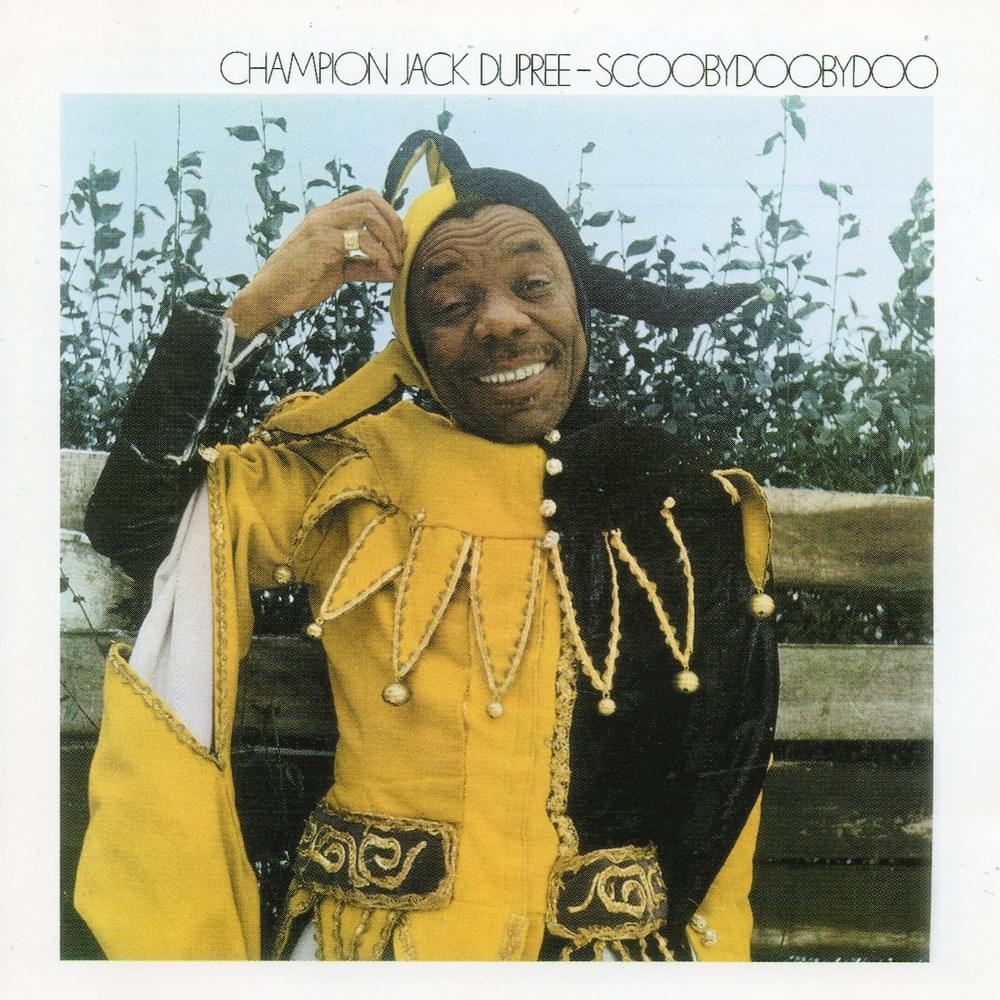
 View Artist