Song Meaning
Champion Jack Dupree's "I Want to be a Hippy" isn't just a bluesman's whimsical embrace of counterculture; it's a complex, perhaps ironic, meditation on freedom, societal rejection, and the allure of a life lived outside the mainstream. The opening lines, confessing his follicular challenges, immediately set a tone of self-aware detachment. Dupree isn't blindly romanticizing the hippy lifestyle; he's observing it, drawn to its perceived carefree nature, yet acknowledging his own outsider status. The repeated line about loving "the way the hippies carry on" hints at an envy of their unapologetic individuality.
The song then delves into the hippy's itinerant existence, hitchhiking without money, embodying a rejection of capitalist values. This nomadic lifestyle, seeking refuge in the mountains, can be interpreted as a yearning for a simpler, more authentic existence, far removed from the pressures and constraints of conventional society. The lyrics suggest a resilience to societal judgment, symbolized by the "long beard to understand," implying a deeper wisdom gained through experience and unconventional living. Dupree paints a stark yet beautiful picture of the hippy's existence: the cold ground as a bed, moonlight as a spring, and stars as pillows. This imagery romanticizes hardship, suggesting a spiritual connection to nature as a reward for forsaking material comforts.
However, the final verse throws a curveball, introducing a darker, more ambiguous element. The mention of "smokin' reefer" and "sniff cocaine" complicates the idealized image of the hippy, suggesting a potential for self-destruction and moral ambiguity within the movement. The line "it's the best ol' feelin' in the world you ever see" is particularly unsettling, blurring the lines between genuine liberation and hedonistic escapism. Is Dupree genuinely celebrating these experiences, or is he offering a cautionary critique of the darker aspects of the hippy subculture? The song ultimately resists easy interpretation, leaving the listener to grapple with the contradictions and complexities of a life lived on the fringes.
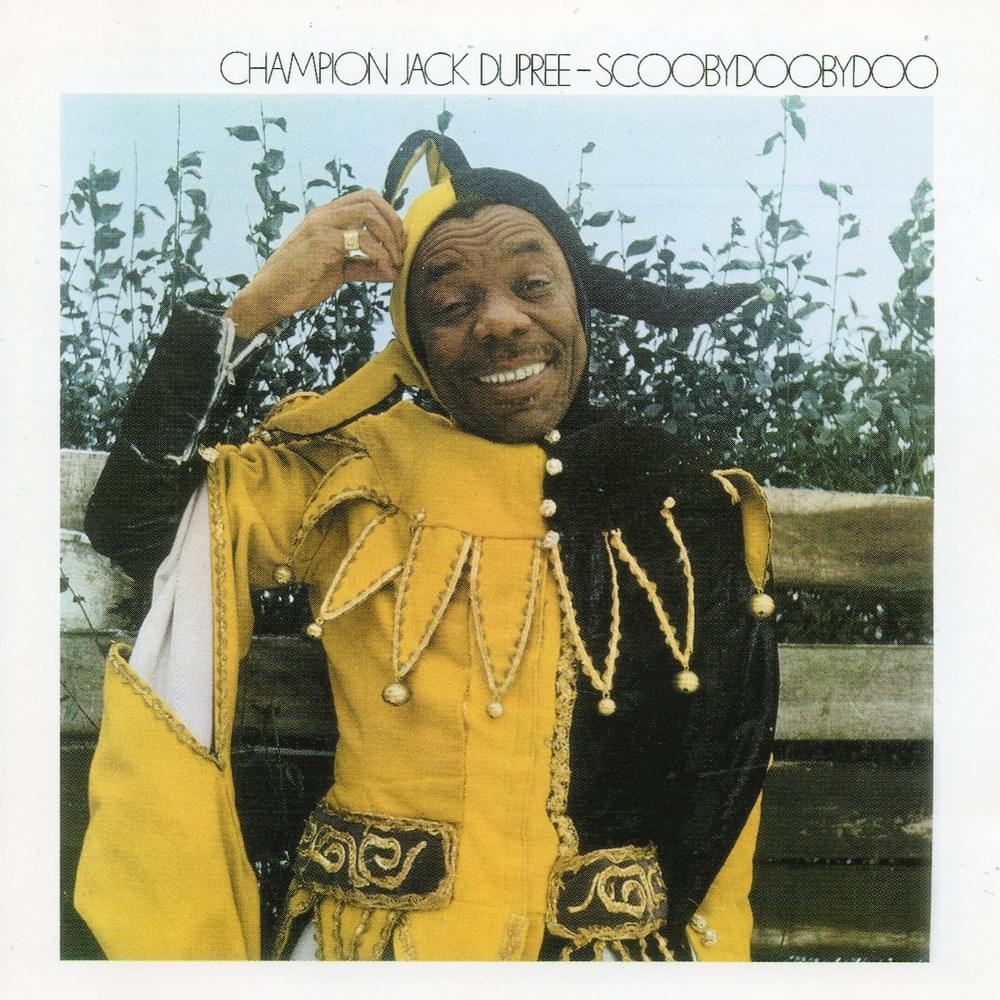
 View Artist