Song Meaning
The narrator's devotion feels like a one-sided game, a constant torment fueled by the object of their affection's emotional distance. Each night is surrendered, yet this profound commitment is met with what the narrator perceives as mere indifference, reducing their entire existence to a casual pastime for the other person. This stark contrast between the narrator's all-consuming passion and the perceived lack of reciprocation forms the core of their anguish.
The central conflict arises from the narrator's desperate need to understand the source of this coldness. They question if the other person's soul is fundamentally different from that of a typical woman, implying a hope that perhaps this emotional unavailability isn't an inherent trait but a specific, perhaps even curable, condition. This yearning to bridge the gap, to find common emotional ground, is what makes the narrator's suffering so acute and persistent.
The lyrics repeatedly hammer home the phrase "Tu frialdad" (your coldness), emphasizing its deep impact on the narrator's psyche, stating it "atormenta en el alma" (torments the soul). This repetition underscores the overwhelming nature of this emotional barrier. Furthermore, the narrator's dreams offer a stark, passionate counterpoint, envisioning a reciprocal love where the other person "vives para mí" (lives for me), mirroring the narrator's own all-consuming dedication. This dreamscape highlights the painful chasm between their reality and their deepest desires.
Ultimately, the effectiveness of these lyrics lies in their raw portrayal of unrequited devotion and the psychological toll it takes. The simple, direct language, coupled with the cyclical structure that returns to the central pain, creates a powerful sense of inescapable longing. The contrast between the narrator's nightly surrender and the other's perceived indifference, amplified by the dream of mutual passion, makes the narrator's torment feel palpable and deeply resonant.
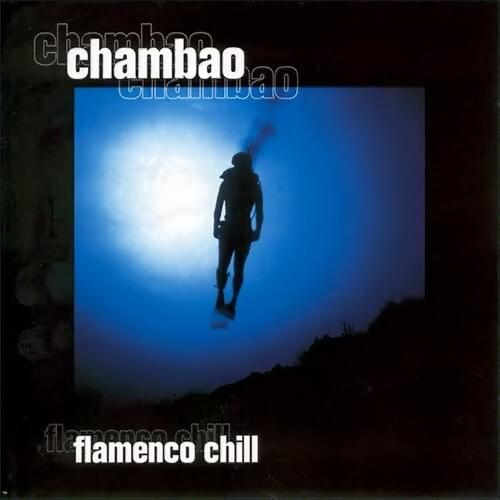
 View Artist