Song Meaning
The lyrics paint a picture of a relationship teetering on the edge, driven by a desperate need to stay together despite an underlying sense of unease. The narrator acknowledges a path that leads them to each other, a connection that feels destined, yet simultaneously admits to a desire to falter. This internal conflict is encapsulated in the striking phrase "cuore di cane" – a dog's heart – suggesting a loyalty that's perhaps instinctual and unthinking, or maybe even a bit wild and self-destructive.
The central tension lies in the repeated, almost pleading question: "Can we be happier than this?" This isn't a question of contentment, but rather a desperate inquiry into whether this precarious state is the peak of their happiness, or if there's something more, something better, that they're missing or actively sabotaging. The post-chorus "But who are we to lose each other?" reinforces this fear of dissolution, highlighting a mutual dependency that transcends their current struggles.
The second verse introduces a darker, more self-aware tone. The narrator admits to calling their partner when they feel bad, and then immediately contrasts this with going out for drinks alone, revealing a confusing push-and-pull. The image of a "tear that came out at sunset from the eyes of a cry to be noticed" is particularly poignant, suggesting a performative sadness, a bid for attention that further fuels the "dog's heart" excuse. It's a raw, almost cynical portrayal of emotional manipulation, even if it's self-inflicted.
Ultimately, the effectiveness of these lyrics stems from their unflinching honesty about flawed connection. The narrator doesn't shy away from their own self-sabotaging tendencies or the messy reality of wanting to stay together while simultaneously wanting to break things. The simple, repetitive structure of the chorus and the raw, almost guttural "cuore di cane" create a powerful emotional resonance, capturing the desperate, often irrational, grip of a love that's both cherished and feared.
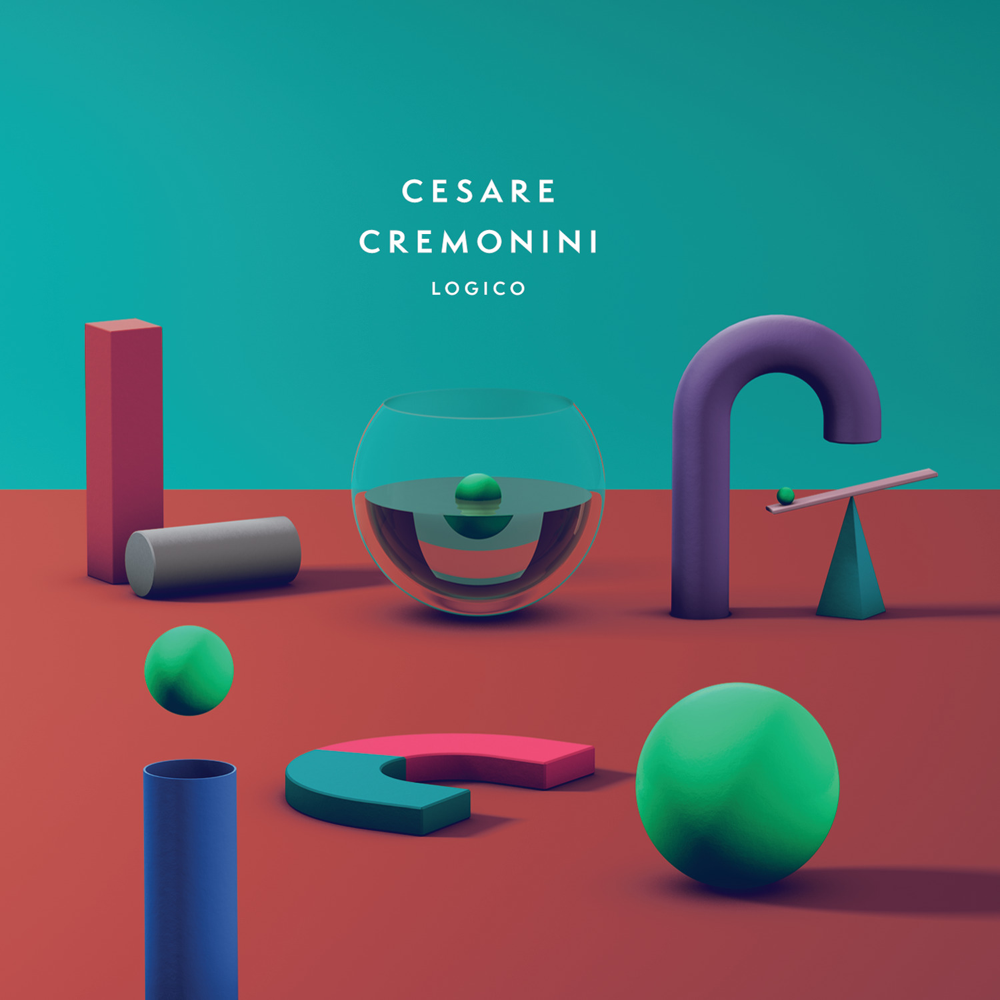
 View Artist