Song Meaning
This song captures the raw aftermath of a love that consumed the narrator entirely. The opening lines lay bare an intense, almost overwhelming affection, a love so profound it led to self-annihilation: "Anulei minha vida pra viver a sua." This complete surrender, however, was met with rejection, a definitive "você não quis" and a painful "Me disse adeus."
The core tension lies in the devastating loss versus a surprising, emergent lightness. The narrator acknowledges the deep sorrow, the tears shed "De amor chorei, chorei, como eu chorei," and the vulnerability of their being, "Sou feito de carne e osso." Yet, paradoxically, this very heartbreak seems to have unburdened them, creating a sense of freedom: "Me sinto leve e solto."
The most striking imagery is the transformation from brokenness to a celestial quest. The narrator, once defined by their lost love, now sees themselves as a "nave no espaço," a vessel adrift on a "pedacinho de nuvem." This cosmic journey isn't aimless; it's a determined effort "Pra remontar meus pedaços," piecing themselves back together after the profound damage.
The effectiveness of these lyrics stems from their unflinching honesty about love's destructive potential and the unexpected resilience that can follow. The contrast between the initial total engulfment and the final, almost whimsical, pursuit of self-reconstruction creates a powerful emotional arc, suggesting that even from utter devastation, a new, lighter form of existence can emerge.
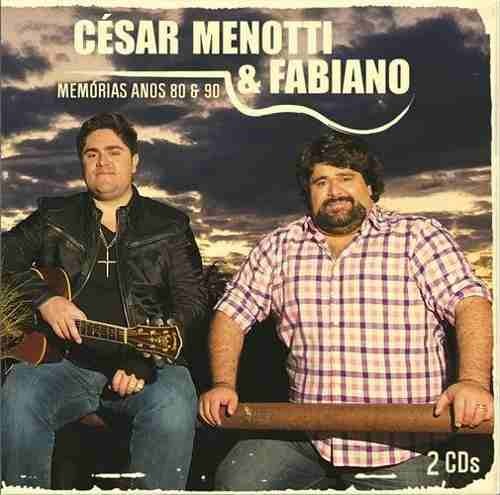
 View Artist