Song Meaning
The lyrics paint a vivid picture of overwhelming passion, a love that consumes the narrator entirely. This intense 'sevda' (love/passion) spins in their head, leading to a state of perpetual burning and turning to ash. It's a destructive force, so potent that even the water they touch freezes, highlighting the paradoxical coldness that accompanies this burning desire. The repetition of 'Ben yanarım, kül olurum' (I burn, I turn to ash) isn't just a lament; it's an acceptance of this consuming fate.
The central tension lies in the narrator's conscious choice to embrace this destructive love. They explicitly state, 'Aşık oldum bile bile' (I fell in love knowingly), suggesting a deliberate surrender to the passion despite its painful consequences. This isn't an accidental flame but a chosen path, walked 'with Yunus' and enduring 'çile' (suffering) at his 'dergah' (shrine/lodge). The imagery of looking towards the horizon ('Ufka doğru bakar gözüm') while enduring the harsh 'poyraz' (north wind) further underscores this sense of enduring hardship for a distant, perhaps unattainable, object of affection.
The most striking craft element is the juxtaposition of elemental forces. The narrator's touch freezes water, yet they are consumed by an internal fire. Smoke rises to the heavens ('Dumanım var, arşa çıkar'), while a river flows coolly ('Irmağım var, serin akar'), contrasting the external world with the internal inferno. This creates a sense of a soul in turmoil, where opposing elements coexist within the narrator's being, all stemming from the central 'sevda' that dictates their existence and transformation into ash.
Ultimately, the lyrics resonate because they articulate a profound, almost spiritual, surrender to an all-encompassing emotion. The narrator doesn't fight the burning; they become it. This acceptance, coupled with the stark, elemental imagery, transforms a personal experience of love into a powerful, almost mythic, narrative of self-immolation for the sake of passion. The constant refrain of burning and turning to ash becomes a mantra of devotion, however painful.
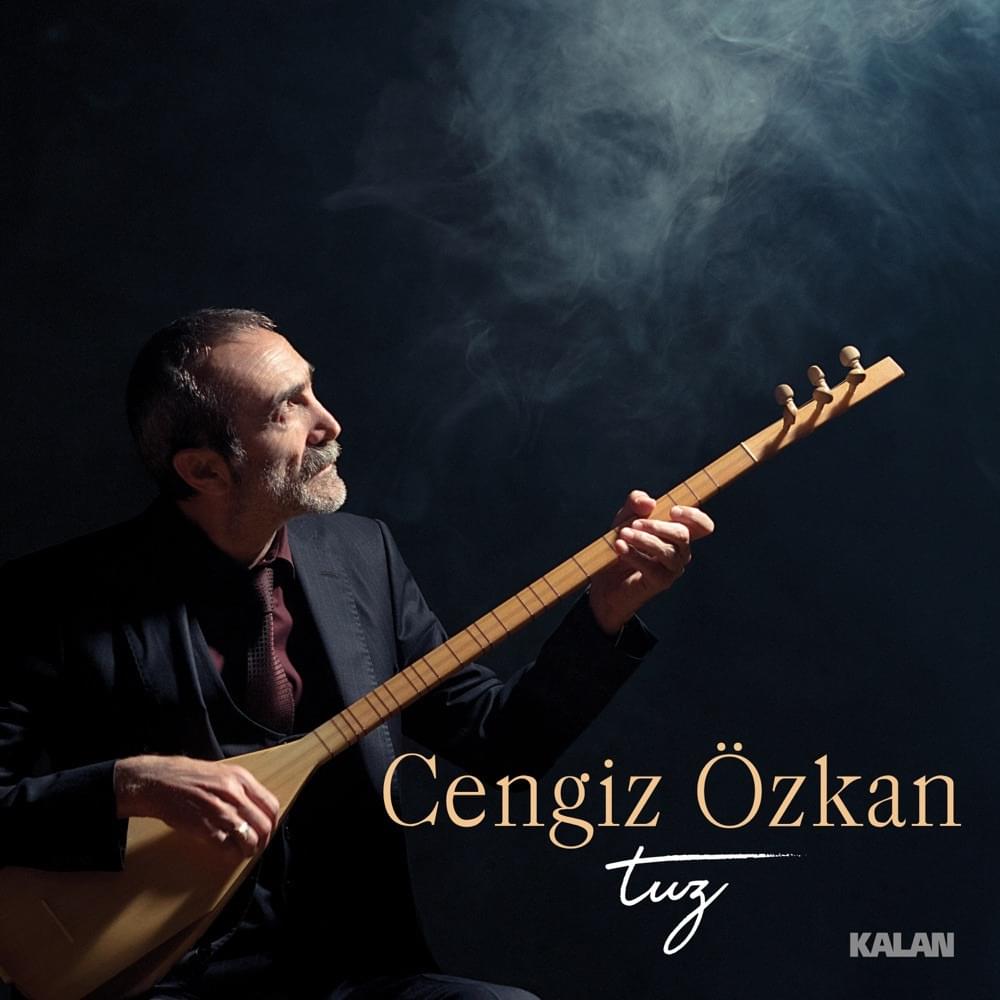
 View Artist