Song Meaning
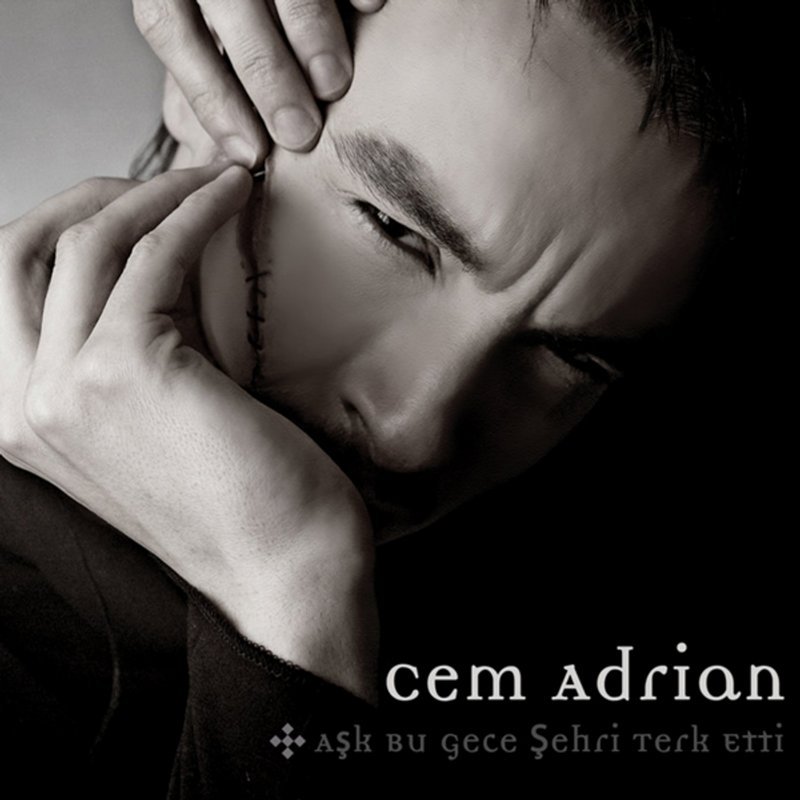
The narrator finds themselves drawn to someone as night falls, with tears welling up. This person emerges into their life like the moon appearing in the night sky, bringing a sense of overwhelming emotion, like snow falling. Despite the potential for coldness or hardship, the narrator feels protected and embraced by this love, believing it will catch them if they fall and find them if they are lost. This love is presented as a powerful, almost life-giving force, capable of overcoming even death.
The core tension arises from the inherent duality of love. While the narrator expresses a deep faith in love's protective and restorative powers, they also acknowledge that opening one's heart means accepting pain and passion as inseparable components. Love doesn't just bring joy; it arrives with its own set of trials, its own storms, and its own scent of fresh flowers, demanding complete surrender. The lyrics explicitly state that one cannot filter out the suffering from love, nor can they prevent its arrival.
The most striking aspect of the writing is the consistent use of natural imagery to describe the overwhelming and transformative nature of love. The transition from day to night, the moon rising, and snow falling all serve to illustrate the powerful, inevitable, and encompassing force of this emotion. The repetition of "korkma" (don't be afraid) acts as an incantation, a plea to embrace this powerful, albeit potentially painful, experience. The contrast between the potential for coldness ("karlar yağarken" - while snow falls) and the warmth of love ("aşk sarar beni" - love embraces me) highlights the narrator's willingness to face adversity for the sake of this connection.
This lyrical approach is effective because it grounds abstract feelings in tangible, sensory experiences. The narrator isn't just saying they love someone; they're showing how that love feels like a natural phenomenon, both beautiful and potentially harsh, yet ultimately inescapable and vital. The acknowledgment of pain alongside devotion creates a more complex and resonant portrait of love, suggesting that true connection requires accepting its full spectrum, not just the pleasant parts. The final lines, "İstesen de istemesen de / Aşka boyun eğersin" (Whether you want it or not / You surrender to love), solidify this idea of inevitable surrender to a force greater than oneself.
 View Artist