Song Meaning
The lyrics paint a stark, apocalyptic vision, suggesting a cycle of suffering and a desperate, perhaps futile, search for rebirth. The opening lines immediately establish a tone of profound disillusionment with the human condition, framing existence as a state of humiliation and enslavement to base desires. This sets the stage for a narrative that anticipates a catastrophic event, a 'final judgement' or 'coming fall,' which is paradoxically linked to a new beginning, the 'dawn.' The narrator seems to grapple with the idea that true liberation can only come through destruction, a concept that feels both terrifying and strangely alluring within the lyrical landscape.
The central tension lies in the paradoxical embrace of destruction and rebirth. The lyrics describe humanity as 'subjects of flesh' and 'slaves of lust,' suggesting an inherent flaw that prevents genuine spiritual awakening. Yet, there's a simultaneous yearning for this transformative fire, described as 'diviner's fire and soil' and 'flames, like flowers, like blood.' This duality is further emphasized by the phrase 'hateful hope,' a potent oxymoron that captures the desperate, almost masochistic desire for an end that promises a new start, even if that end is violent and painful. The idea that 'we have to die to be reborn' is the core of this conflict, presenting a grim necessity.
The most striking aspect of the craft here is the recurring motif of fire and its complex associations. Initially presented as destructive, the 'yearning flames' are also linked to 'freedom' and 'doom' in the pre-chorus, and later described as 'gleaming ways.' The bridge intensifies this by personifying flames as 'tongues' and 'cries,' panting 'for kisses—for bites.' This creates a visceral, almost predatory image of the transformative force. The contrast between the 'frost' that 'bites your inner heart' in the second verse and the subsequent 'fire will burn' highlights a shift from spiritual coldness to a consuming, perhaps purifying, inferno. The lyrics suggest that this fire is not just an external force but an internal desire, a 'yearning' that humanity, as 'lovers of death,' actively seeks.
Ultimately, these lyrics resonate because they tap into a primal fear and fascination with endings and beginnings. The stark, almost brutal imagery, combined with the paradoxical embrace of suffering as a path to redemption, creates a powerful emotional impact. The narrator's declaration that 'the lord and we are one' in the second verse, following the idea that 'we'll never be reborn,' suggests a final, perhaps nihilistic, acceptance of the current state, or a merging with the destructive force itself. The writing forces the listener to confront uncomfortable truths about desire, suffering, and the potential for transformation, even if that transformation is through annihilation.
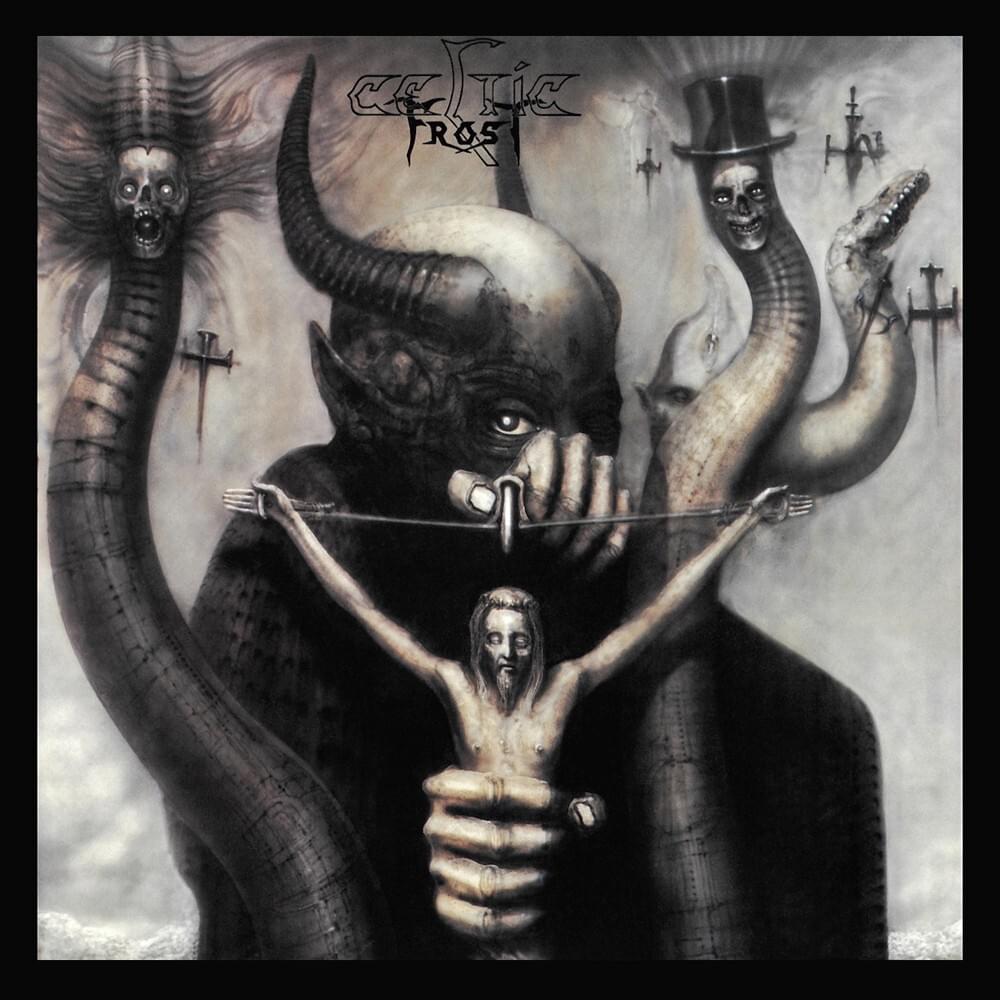
 View Artist