Song Meaning
The lyrics paint a picture of a decisive moment, a point of no return where the speaker demands to be silenced, if at all, right now. This isn't a plea for quiet, but a defiant assertion of agency. The urgency is palpable, driven by the realization that the power to say 'no' is present and that the speaker has nothing left to lose. It's a powerful stance against being forced into silence.
The central tension lies in the contrast between the external pressure to be quiet and the internal readiness to resist. The speaker acknowledges the potential for being silenced but frames it as a choice that must be made immediately. This immediacy stems from a fear of time eroding their resolve, allowing fear to gain a stronger foothold. The phrase "Que el temps rovelli l'arma" (that time rusts the weapon) vividly captures this dread of losing the capacity to fight back.
The most striking aspect is how the lyrics reframe silence itself. The narrator observes, "Sou vosaltres qui heu fet / Del silenci paraules" (It is you who have made / words out of silence). This suggests that the oppressors have weaponized silence, turning its absence into a form of communication or control. The speaker's current ability to "canviar de guitarra" (change guitar) signifies a readiness to adopt a new voice or method of expression, even if it means facing silence head-on.
Ultimately, the effectiveness of these lyrics comes from their raw, unvarnished declaration of self-possession. The repeated insistence on "Ara" (now) creates a sense of immediate, almost desperate, liberation. By seizing this present moment, the speaker asserts control over their own voice and narrative, even in the face of potential suppression. It’s a potent articulation of reclaiming power when the opportunity arises.
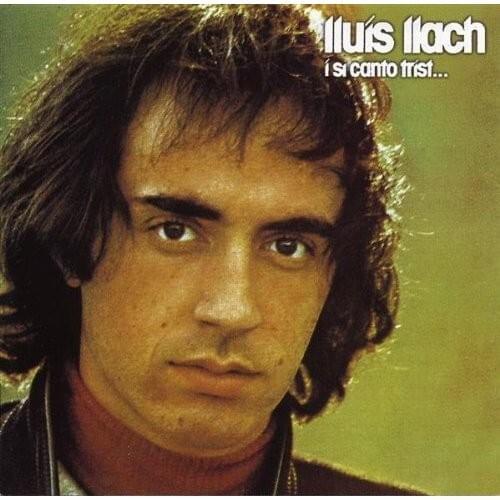
 View Artist