Song Meaning
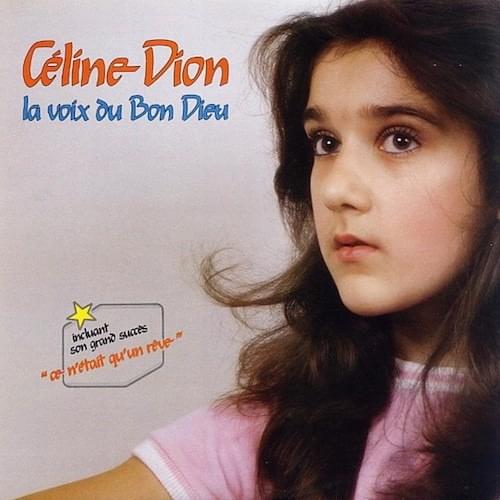
“La voix du bon Dieu” immediately frames music as a divine conduit. The lyrics open by declaring that words for comfort and friendship become “encore plus beaux” when sung. Music, it seems, acts as a “filtre magique,” a profound gift from the heavens. This sets an immediate tone of reverence and wonder.
The central emotional pull here is the idea that “On a tous un peu la voix du bon Dieu / Quand on rend les gens heureux.” This isn't just about singing well; it's about the *impact* of that singing. The lyrics suggest a direct link between human kindness, expressed through song, and a spiritual resonance. This becomes particularly poignant when the narrator observes “tant de gens perdus” seeking connection, implying a deep human need that music can address.
The lyrical craft shines in its progression. It starts with a universal truth about music, then moves to a collective “we all have” this divine voice, before landing on a deeply personal commitment: “Je veux leur apporter une chanson de plus.” This shift grounds the grand, almost spiritual claims in a tangible, generous act. Phrases like “mélodie prise dans la vie” subtly reinforce music's connection to everyday human experience, making the divine accessible.
Ultimately, these lyrics resonate because they elevate the simple act of singing into something sacred and essential. They suggest that music isn't just entertainment; it's a vital tool for human connection, comfort, and even spiritual uplift. By framing music as a “grand cadeau” and linking it to making others happy, the song offers a hopeful, empowering vision of art's purpose. It makes the listener feel the profound, almost spiritual weight of a well-sung melody.
 View Artist