Song Meaning
The lyrics paint a stark picture of betrayal and pain inflicted by "humanity," leaving deep, ungrateful memories. The narrator feels relentlessly beaten down by irony, with their happiness destroyed and a gaping wound left in their life. This overwhelming negativity sets a somber, almost bitter tone from the outset, establishing a profound sense of personal injury.
The central conflict revolves around the desire to escape this suffering through forgetting. The chorus presents "olvidar" (forgetting) as the ultimate solution, a "final point" that opens the door to a "new life." This act of oblivion is deemed "effective" and capable of healing the deep wounds inflicted. It's a desperate plea for a fresh start, a way to sever ties with the source of their pain.
The most striking element is the fierce rejection of humanity itself, encapsulated in the lines "Y al diablo con la humanidad / Que el mundo es falso una mitad / Y la otra es mentira." This isn't just personal hurt; it's a sweeping indictment of the world as fundamentally deceitful and untrustworthy. The narrator sees no genuine good, only a dual nature of falsehood and lies, making the desire to forget a logical response to such a perceived reality.
This lyrical construction is effective because it grounds abstract pain in concrete imagery of wounds and betrayal, then offers a powerful, albeit bleak, solution. The repetition of the chorus reinforces the central theme of forgetting as salvation, while the sharp condemnation of humanity provides a visceral emotional release. It resonates by articulating a feeling of being wronged by the world and seeking solace in erasure.
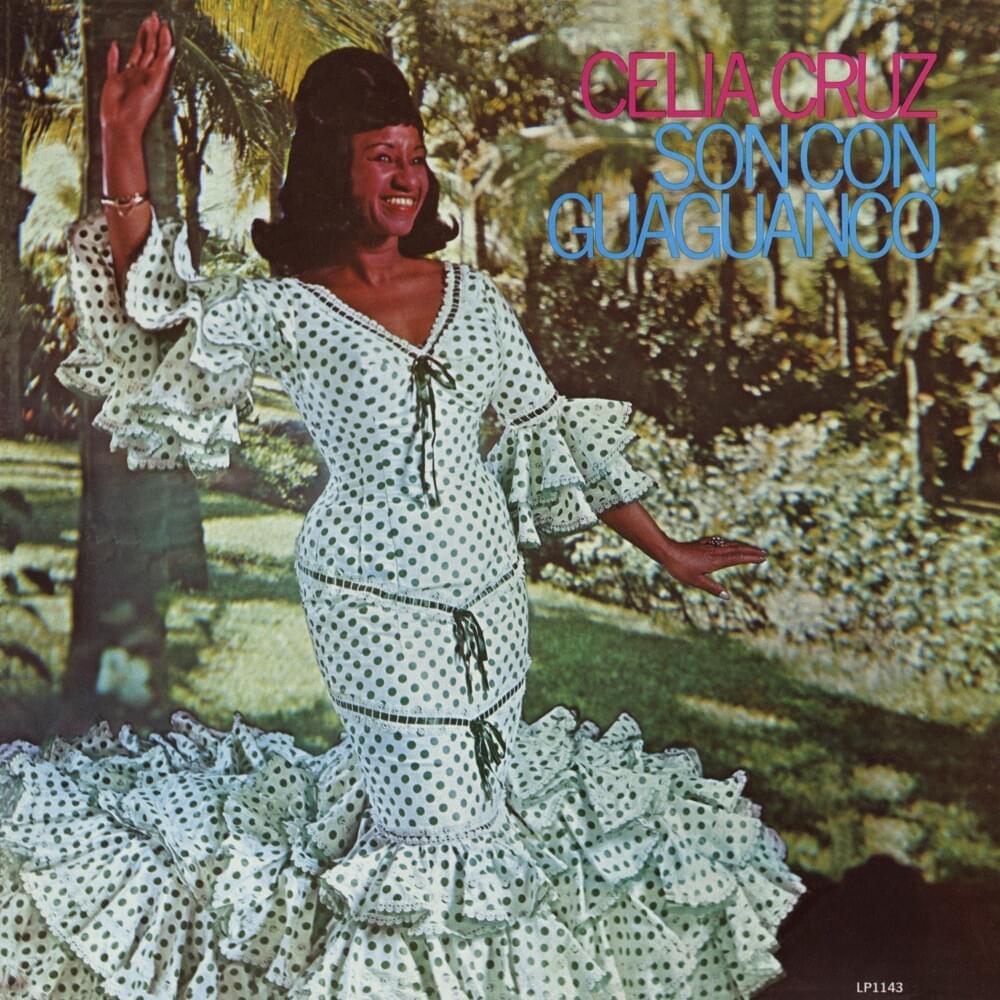
 View Artist