Song Meaning
The lyrics grapple with the ultimate question: what emotion would dominate at the end of the world? Instead of universal dread, the narrator posits a choice between fear and love, immediately centering on a profound personal connection. The plea "내 과거를 파내 봐" (dig up my past) suggests a desire for complete acceptance, even of past flaws, before a potential parting.
The core tension lies in the vulnerability of seeking unconditional love amidst potential devastation. The narrator asks, "내가 실수를 해도 사랑해 줄거니?" (Will you still love me if I make mistakes?) and "네가 생각한 그 사람이 아니라도 괜찮니?" (Is it okay if I'm not the person you imagined?). This highlights a deep-seated insecurity, amplified by the apocalyptic backdrop, making the plea "가지마" (don't go) feel incredibly urgent and personal.
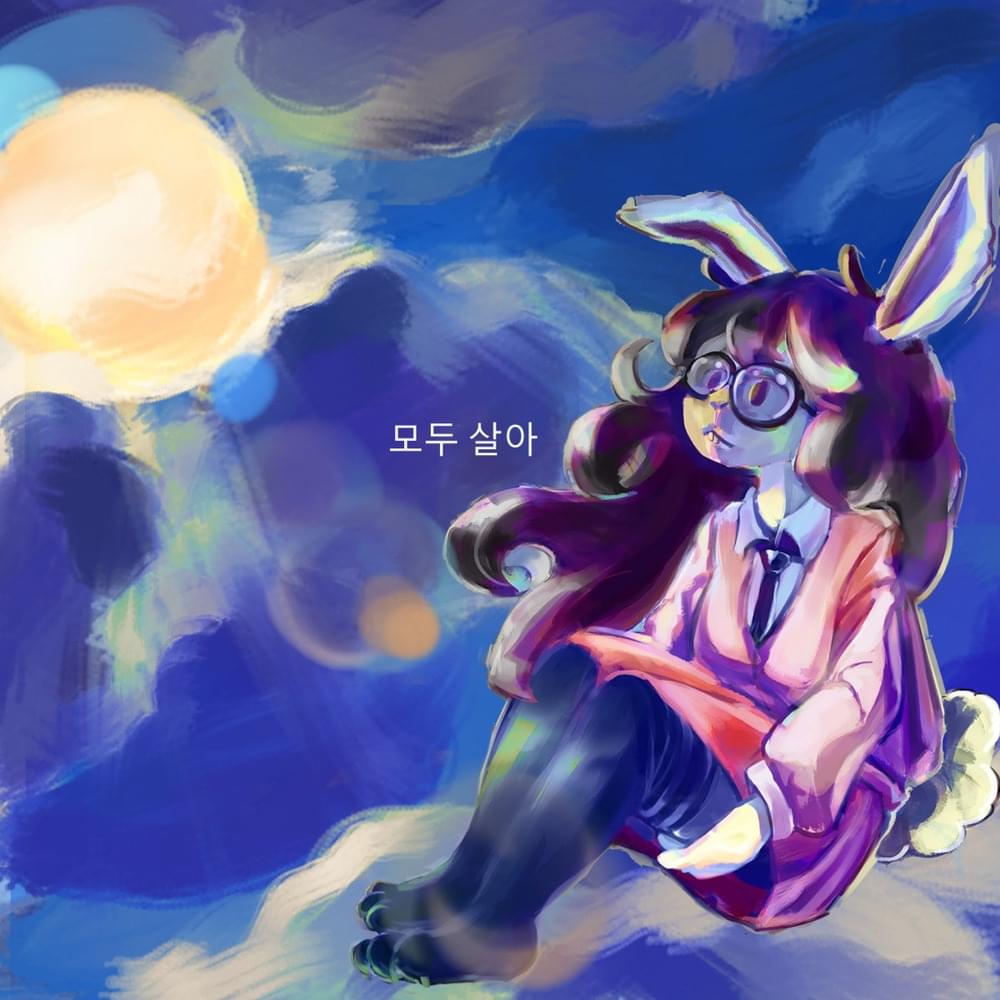
An interesting craft element is the stark contrast between the impending global doom and the intensely focused personal experience. While "모두가 무서워 해" (everyone is scared), the narrator's world shrinks to "느껴지는건 단지 너" (only you are felt). The image of "파란노을을 보며" (watching a blue sunset) is striking, juxtaposing a potentially beautiful, albeit ominous, natural phenomenon with a specific, intimate act of listening to "카맛테쨩" (Kamate-chan), suggesting a shared, private moment against a grand, terrifying scale.
This lyrical approach is effective because it grounds an abstract, overwhelming concept like the end of the world in a relatable human desire for love and acceptance. The narrator’s willingness to wait "이 세상 끝까지" (until the end of this world) transforms the apocalyptic scenario from a source of pure terror into a backdrop for an ultimate test of devotion and connection, making the emotional stakes incredibly high.
 View Artist