Song Meaning
The narrator expresses a profound distrust of spoken words, viewing them as cheapened and ultimately deceptive. The opening lines immediately set a tone of disillusionment, stating, "Decir no es nada" (Saying is nothing). Concepts like love, death, and life, when voiced, are described as "En la boca se gastan" (worn out in the mouth), losing their genuine weight and impact through mere utterance. This creates an immediate tension between the desire for authentic expression and the perceived hollowness of language itself.
The core conflict arises from this dichotomy: the narrator wants to "vivir palabras" (live words), to experience their substance, yet finds that spoken declarations, especially of profound themes like "Amor, muerte y vida" (Love, death, and life), "Me suenan falso" (sound false) when spoken. This suggests a yearning for a deeper, more visceral connection to meaning, one that transcends the superficiality of verbal communication. The lyrics propose that true understanding and confession come not from the lips, but from more direct, physical channels.
The most striking craft element is the consistent juxtaposition of spoken words with embodied experiences. The narrator pleads, "Que me digan los ojos / No los labios" (Let the eyes tell me / Not the lips) and "Me confiesen las manos" (My hands confess to me). This elevates non-verbal cues – glances, gestures, the very physical presence of bodies and entrails – as the true carriers of meaning. The repeated idea that words "siempre me engañan" (always deceive me) and get "Entre los dientes" (between the teeth) reinforces this distrust, portraying speech as inherently tangled and untrustworthy.
Ultimately, the lyrics resonate because they tap into a universal feeling of linguistic inadequacy. The narrator finds solace and truth not in eloquent speeches or pronouncements, but in sensations felt "En la punta de los dedos" (at the fingertips) and the tangible weight of experiences that "No me dan miedo" (don't scare me). This shift from abstract pronouncements to concrete, felt realities offers a powerful argument for the primacy of lived experience over mere rhetoric, making the desire to "live words" deeply compelling.
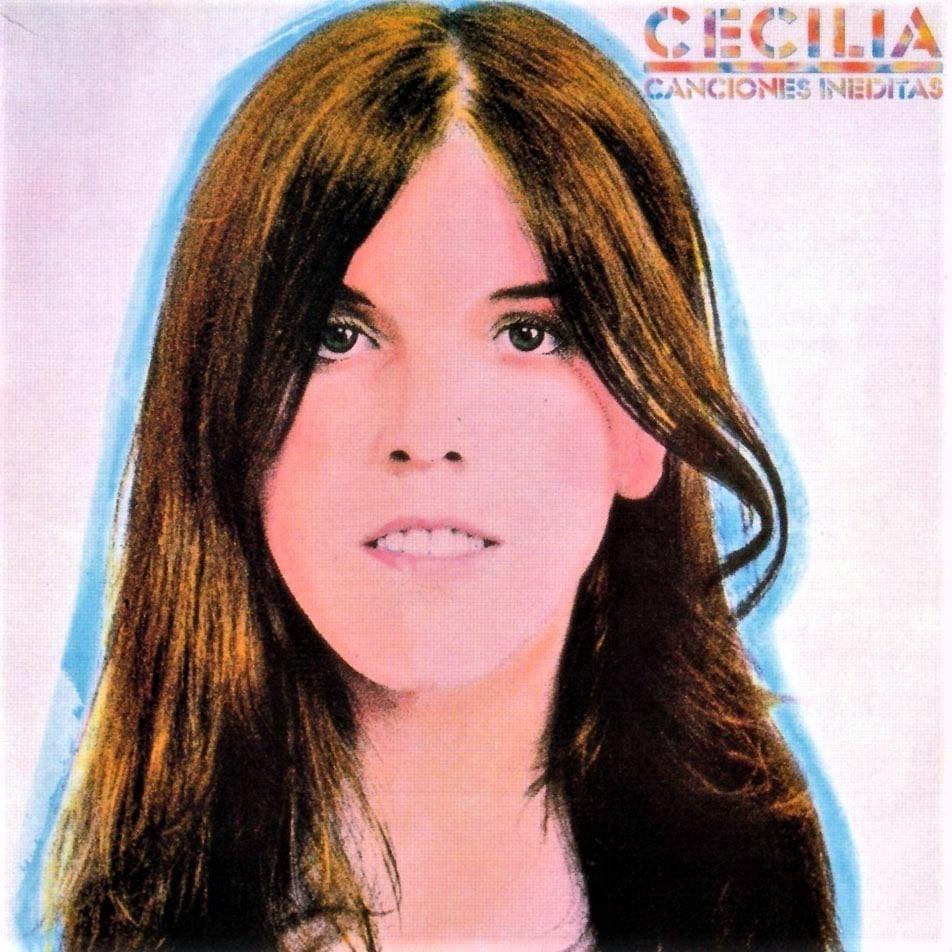
 View Artist