Song Meaning
CeCe Winans's simple yet profound plea, "Fill My Cup," resonates as a timeless expression of spiritual longing and dependence. The lyrics bypass complex theological arguments, opting instead for direct, visceral language. The 'cup' becomes a metaphor for the self, presented as empty and yearning. It's a vulnerable posture, acknowledging a fundamental incompleteness that only a higher power can address. Winans isn't just asking for a casual top-up; she's 'lifting' the cup, signaling intentionality and reverence. This isn't a passive request, but an active surrender. The thirst she describes isn't merely physical; it's a 'thirsting in [the] soul,' a deep-seated ache for meaning and fulfillment. The genius of the song lies in its accessibility. The metaphor of needing to be filled speaks to anyone who has ever felt a void, regardless of their specific beliefs.
The reference to 'Bread from Heaven' firmly plants the song within a Christian framework, evoking the story of manna in the desert and, more broadly, the concept of divine provision. But even without that specific knowledge, the image works on a universal level. We all need sustenance, something to nourish us beyond the material. Winans isn't just looking for a temporary fix; she wants to be fed 'til I want no more,' a desire for lasting satisfaction, an end to the endless cycle of craving and disappointment. The repetition of 'Fill my cup, fill it up, and make me whole' reinforces the cyclical nature of faith. It's not a one-time event, but a continuous process of seeking and receiving.
Ultimately, the song meaning in "Fill My Cup" lies in its raw honesty and unwavering faith. It's a reminder that admitting our need is the first step toward finding true wholeness. The song's power isn't in its complexity, but in its simplicity: a heartfelt cry for divine intervention in the everyday emptiness of human existence. The song's appeal also rests in the universality of the desire for wholeness. It's a gospel song, certainly, but its emotional core transcends religious boundaries, speaking to the inherent human desire for completion and purpose.
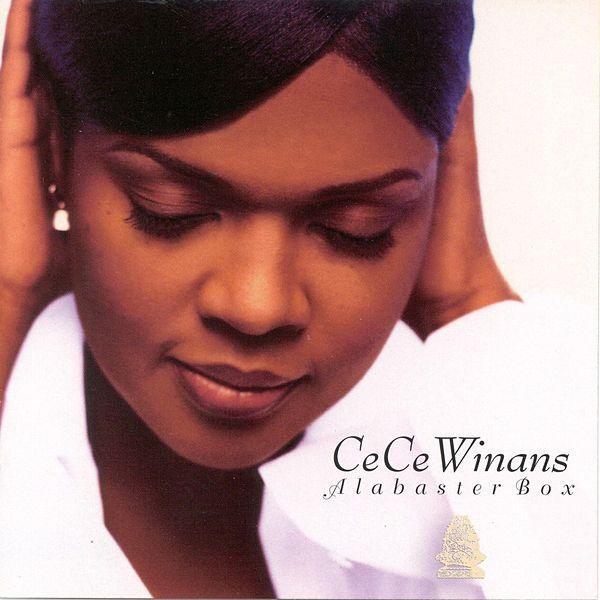
 View Artist