Song Meaning
The lyrics paint a stark picture of a reckoning, with a detailed bill presented for past wrongs. The narrator lays out a ledger of deceit, with every lie and betrayal itemized "black on white." This initial scene sets a tone of cold, precise accounting for emotional debts, suggesting a relationship that has soured into a transaction.
The central tension revolves around a massive debt owed by the addressee, not just in money but in "riches" for a "ruined empire." This "empire" seems to represent a shared past or a relationship that once held great value. Despite the enormity of the perceived debt, the narrator offers a reprieve: "you'll be saved by a hair" because "tonight the house treats." This phrase, repeated throughout the chorus, introduces a surprising twist, implying a temporary suspension of judgment or a moment of unexpected generosity.
The most striking lyrical device is the contrast between the meticulous accounting of financial and emotional debts and the abrupt, almost dismissive offer of a free night. The narrator claims the addressee owes "tons of money" and "riches," yet ultimately declares, "tonight the house treats." This juxtaposition highlights the narrator's complex emotional state; they are capable of detailed grievances but also capable of a sudden, perhaps weary, magnanimity. The idea that "pain has no price" and is the "most expensive thing" further complicates this, suggesting that the true cost of the relationship's demise transcends monetary value.
These lyrics resonate because they capture the messy, often contradictory nature of hurt and forgiveness. The detailed listing of wrongs makes the eventual offer of a reprieve feel earned, or at least understood, rather than arbitrary. The narrator’s ability to hold both immense grievance and a moment of grace makes the emotional landscape feel authentic and deeply human, leaving the listener to ponder the true cost of broken trust and the unexpected moments where it might be temporarily set aside.
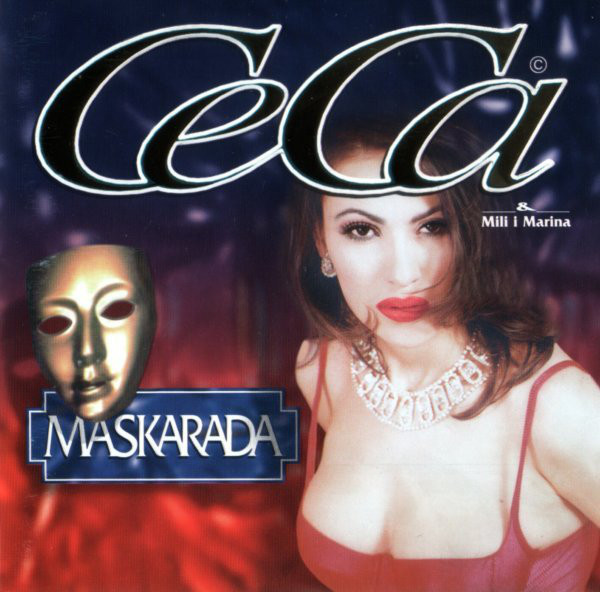
 View Artist