Song Meaning
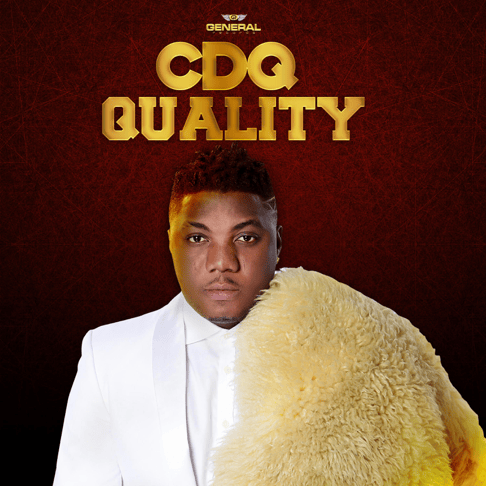
This skit paints a vivid picture of a social gathering where status and wealth are openly displayed and acknowledged. The opening lines, "Koma le laleju / Koma di ti ara oko o," immediately set a tone of arrival and perhaps a bit of playful boasting, suggesting a significant entrance. The narrator clarifies that this isn't just any casual hangout; it's a place of "Party qua qua qua quality," emphasizing a high-caliber event.
The core tension emerges from the stark contrast between those who have arrived with means and those who haven't. The description of attendees in specific, perhaps ostentatious, fashion – "fila yellow, to n wo batter blue / To n wa wo jeans purple / To n wa wo shirt ash" – highlights a visual display of wealth. This is juxtaposed with a warning: "E rora ma gbese ati ri yin / Sugbon e gbudo kuro nibi te wa yen o," advising caution with debt but also urging people not to leave their current advantageous position, hinting at the precariousness of social standing.
The repeated declaration, "Olowo ti wole" (The wealthy have arrived), acts as a powerful refrain, signaling a shift in the atmosphere and the hierarchy of the event. This is further amplified by the direct address, "Iwo gangan mo n bawi dide o," calling out a specific individual. The most striking image is the economic disparity presented: "Eh e lo ma je biscuiti nita o / Kawon t'olowo je chicken," illustrating a clear division where the wealthy dine on chicken while others are relegated to biscuits, a potent metaphor for unequal access and privilege.
Ultimately, the lyrics effectively capture the dynamics of a social scene where wealth dictates the experience. The direct, almost blunt, pronouncements and the stark imagery of food create a palpable sense of social stratification. The skit doesn't just describe a party; it dissects the unspoken rules and visible markers of status that define who belongs and who observes from the periphery.