Song Meaning
The lyrics present a stark, urgent plea for deliverance from eternal death. The repetition of "Libera me Domine de morte aeterna" immediately establishes a tone of profound fear and desperation, focusing on a specific, terrifying future event. The phrase "In die illa tremenda" amplifies this dread, painting a picture of a day of immense consequence and upheaval.
The central tension lies in the narrator's overwhelming anxiety about a coming judgment. The imagery of "caeli movendi sunt / Movendi sunt e terra" suggests a cosmic, cataclysmic event where the very foundations of existence are shaken. This isn't a subtle fear; it's a visceral reaction to an impending, world-altering moment.
The power of these lyrics comes from their directness and the stark, almost liturgical repetition. The Latin phrasing lends a sense of ancient, solemn weight to the plea, making the request for liberation feel both deeply personal and universally significant. The simple, declarative statements about the heavens and earth moving create a powerful sense of impending doom that underscores the desperate need for salvation.
Ultimately, the effectiveness of this short text hinges on its unvarnished portrayal of existential terror. By focusing on a single, terrifying future moment and a direct, repeated plea, the lyrics bypass complex narrative to hit a primal nerve. The listener is left with the raw feeling of facing an unavoidable, terrifying end and the desperate hope for escape.
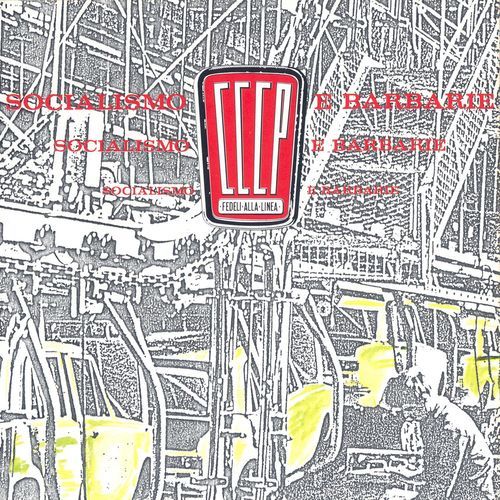
 View Artist