Song Meaning
This interlude plays with the common idiom "a picture is worth a thousand words," flipping it to argue that a song can be worth a million pictures. The narrator insists on the immense value of their creation, stating, "A song is worth a million pictures." This is reiterated with a slight variation, emphasizing the song's inherent worth: "a song must be worth a million pictures also." The core assertion is that their specific song possesses this extraordinary visual capacity.
The central tension arises from the narrator's fervent defense of the song's value against an implied, unstated skepticism. They directly address the listener, urging them to "just listen to it" and suggesting that the song itself can conjure "a million pictures." This is further justified by claiming the song contains "more than a million words," implying a density of imagery and narrative that surpasses visual media.
The most striking aspect of the craft here is the self-referential loop and the playful subversion of a well-known phrase. The lyrics are not just about a song; they *are* the song being discussed, creating a meta-commentary on artistic creation and its perceived value. The justification for the song's worth – its lyrical density and its creation out of necessity – highlights a unique artistic choice.
Ultimately, the effectiveness lies in its earnest, almost defiant, assertion of artistic merit. The narrator's insistence that they wrote the song "'Cause we didn't have the camera / To take the pictures" frames the song as a direct, perhaps even superior, alternative to visual documentation. It’s a bold declaration that the power of their music can paint worlds as vividly, if not more so, than any photograph.
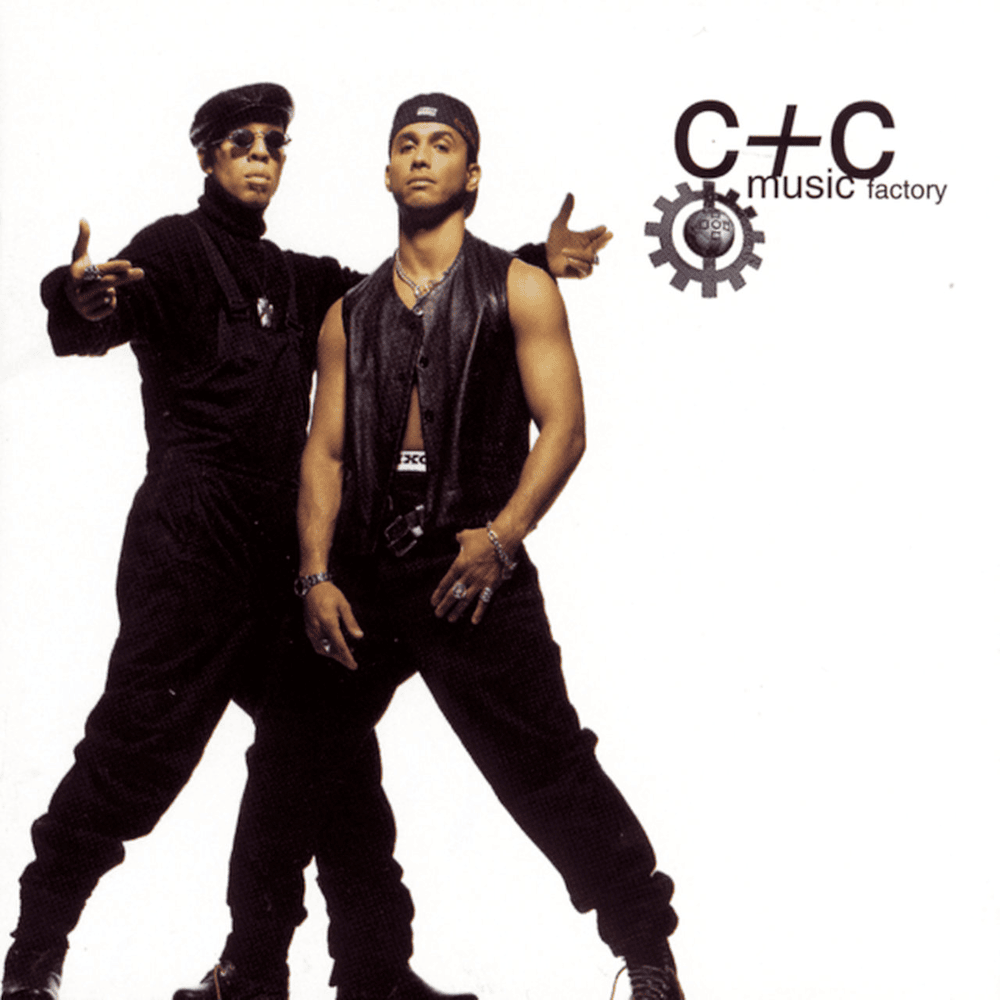
 View Artist