Song Meaning
The lyrics paint a vivid, almost cinematic portrait of a character named "Baby Lonest," a "ninfa do asfalto" (nymph of the asphalt) carrying the weight of "todo o ocidente nos ombros" (all of the West on her shoulders). This opening immediately establishes a tone of weary grandeur, suggesting a figure who navigates a harsh urban landscape with a kind of tragic grace. The imagery of the night deflowering teeth and then falling asleep hints at a cycle of intense, perhaps painful experiences followed by a temporary respite, a fleeting peace before the next day's demands.
The central tension seems to revolve around the ephemeral nature of connection and affection in this urban environment. The "vida de alôs e beijos" (life of hellos and kisses) is contrasted with the harsh reality that "o amor te deixa em cacos" (love leaves you in pieces). The repeated phrase "amanhã tem, tem, tem" (tomorrow there is, there is, there is) offers a flicker of hope or perhaps just a resigned acknowledgment of continuation, a promise of more of the same, whether good or bad. The financial strain, "metade da mesada em fichas" (half the allowance in tokens), underscores the struggle and the transactional nature of some interactions.
The recurring image of "Baby Lonest" with "olhos injetados" (injected eyes) and "olhos de sangue" (eyes of blood) is particularly striking, suggesting exhaustion, desperation, or a feverish intensity. These eyes are fixed "nas pernas daquela avenida" (on the legs of that avenue) and "nas pernas daquela menina" (on the legs of that girl), blurring the lines between the urban environment and a specific object of desire or fascination. This creates a powerful, almost hallucinatory effect, where the city itself seems to become a living entity, and the pursuit of love or connection is framed as a "sonho de um amor suicida" (dream of a suicidal love), highlighting its destructive potential.
Ultimately, the lyrics resonate through their raw, unflinching depiction of a character caught in a cycle of urban struggle and precarious emotional existence. The contrast between the grand, almost mythical "ninfa do asfalto" and the gritty details of "fichas" and "cacos" creates a compelling, melancholic figure. The repeated, almost chant-like "amanhã tem, baby lonest" serves as a haunting refrain, emphasizing resilience or perhaps a fatalistic acceptance of the endless urban night and its inevitable dawn.
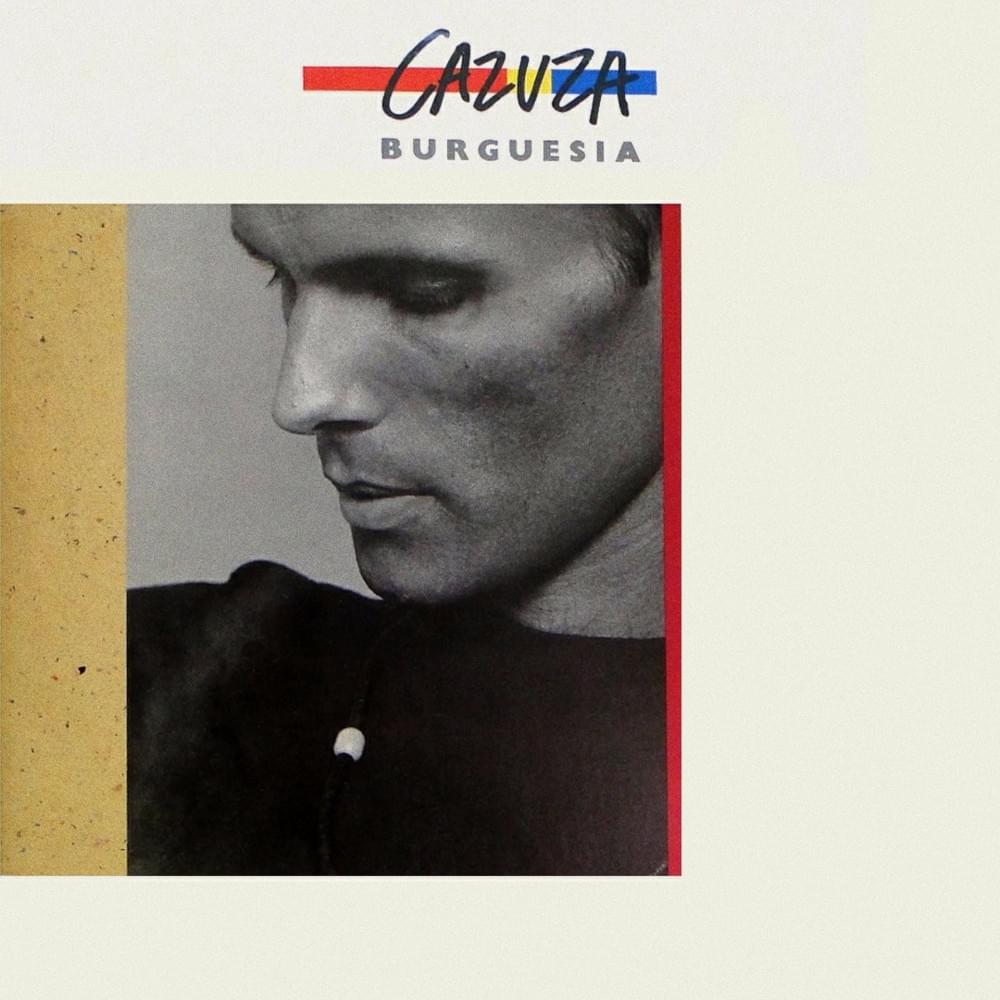
 View Artist