Song Meaning
The narrator finds themselves in a moment of quiet intimacy, observing a loved one with a mix of tenderness and vulnerability. Images of domesticity, like rolling around "like a piglet" and being laid down "like a cow," ground the scene in a comfortable, almost primal closeness. Yet, this peace is underscored by a palpable anxiety, a desire to confess something significant: "I wanna tell you a secret / Just hear me out / I only hope you'll still love me / When you find out." This sets up a central tension between the comfort of the present and the fear of future rejection.
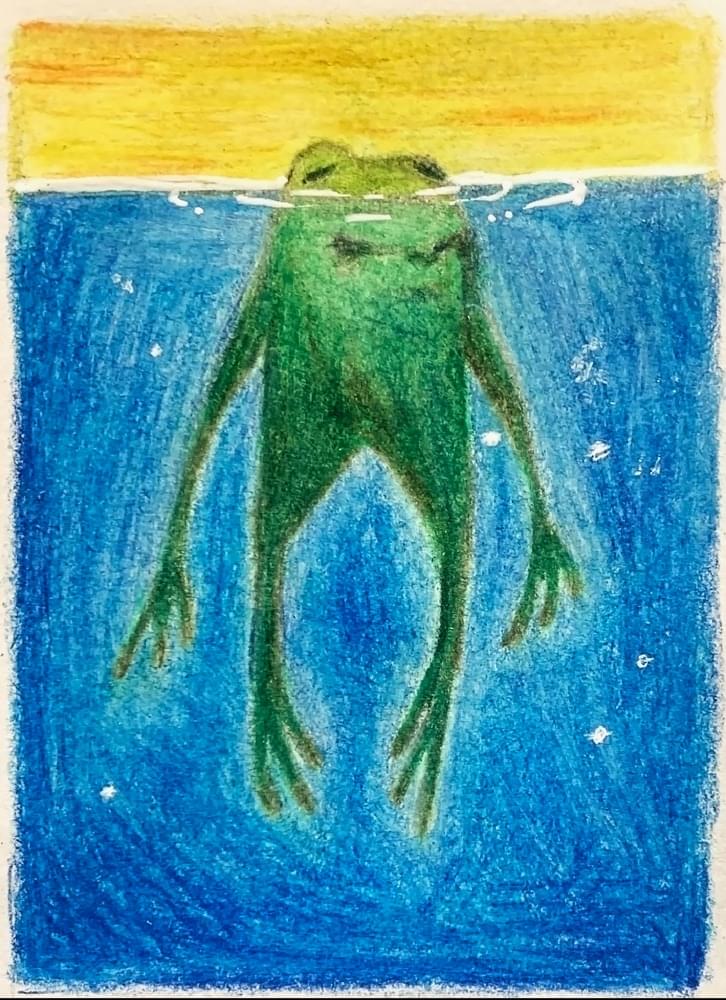
The core of the song seems to revolve around this fear of not being accepted once a hidden truth is revealed. The repeated plea, "I'm your frog / Kiss me better all night long," acts as a desperate, almost magical incantation. It’s a plea for unconditional acceptance, framing the narrator’s desired transformation or revelation as something that requires a specific kind of love – the kind that can turn a frog into a prince, or at least, accept the frog as it is. The contrast between the gentle, domestic imagery and the underlying fear of discovery creates a compelling emotional landscape.
The lyrics employ a striking metaphor of amphibian lovers, suggesting a hidden or perhaps unconventional aspect of the relationship. The narrator explicitly states, "Two amphibian lovers," and the chorus's plea to be kissed "better" implies a need for healing or acceptance of a perceived flaw. The phrase "My head's gone funny, princess" further hints at a mental or emotional state that the narrator fears will alienate their partner. This imaginative framing allows the song to express anxieties about authenticity and the fear of revealing one's true, perhaps strange, self.
Ultimately, the song's effectiveness lies in its ability to articulate a deeply personal fear of judgment within a context of profound affection. The juxtaposition of tender imagery with the raw vulnerability of the confession, all wrapped in the fairy-tale-esque metaphor of a frog, creates a unique and resonant expression of insecurity. It captures that universal feeling of wanting to be loved for who you truly are, even the parts you suspect might be unlovable.
 View Artist