Song Meaning
The lyrics paint a poignant picture of recurring loss and the struggle for self-care across different stages of life. The narrator recalls being eight years old and having to say goodbye to a pet, a formative experience of loss. This is followed by a plea to neighbors to care for the animal, with a specific instruction not to let it know the narrator is leaving, highlighting a desire to soften the blow of separation. The narrative then jumps to age thirteen, where attempts at making friends are overshadowed by a severe internal struggle, almost leading to self-harm. This shift suggests a deepening emotional pain that external connections can't immediately fix.
The core tension emerges from the narrator's repeated experiences of needing others to care for something precious – first an animal, then themselves through medication. The chorus, with its repeated plea to "take care of him/things/you for me," underscores a profound sense of helplessness and a reliance on external support systems. However, the effectiveness of these systems is questioned, particularly with the line "I don't think they are working" in reference to medication, indicating a persistent internal battle despite seeking help.
The most striking craft element is the parallel structure across the verses and the evolving chorus. The simple act of saying goodbye to a pet at eight years old is mirrored by the more complex and dangerous struggles at thirteen, and finally, the present-day anxiety. The phrase "empty bed" in the third verse serves as a powerful, understated image that encapsulates absence and lingering sorrow, connecting the past losses to the present emotional state. The final chorus shifts the focus to self-care, with the narrator urging someone else to "take care of you for me," implying a shared experience of vulnerability and a hope for healing.
These lyrics resonate because they articulate the quiet, persistent ache of dealing with loss and mental health challenges over time. The narrator's vulnerability, expressed through direct pleas and the acknowledgment of past pain, creates an intimate connection. The progression from caring for a pet to needing care for oneself, coupled with the questioning of whether that care is effective, captures the complex and often cyclical nature of these struggles, making the emotional weight of the "empty bed" feel deeply earned.
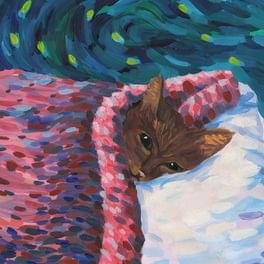
 View Artist