Song Meaning
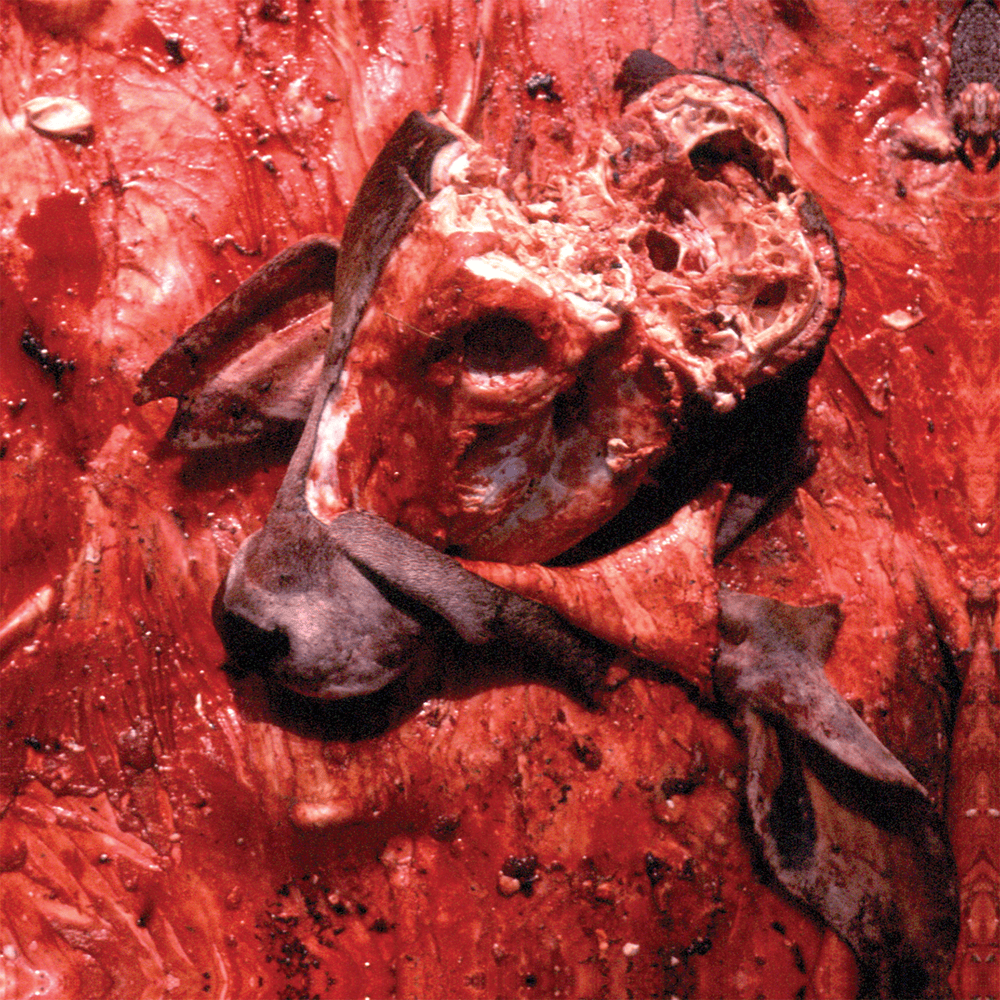
The lyrics paint a visceral and grim picture of a dumpster behind low-income housing. It's not just refuse; it's a horrifying tableau of "self-abortions wrapped in newspaper" and "deceased unwanted pets," immediately establishing a tone of decay and desperation. The dominant emotion is one of revulsion and suffocating dread, amplified by the inescapable "stench" that affects "nearby inhabitants."
The central conflict appears to be the direct, physical impact of this decay on the people living nearby. The "stench" isn't just unpleasant; it's actively "creating illness and neurosis," suggesting a profound connection between the environment and the inhabitants' well-being. This environmental degradation is described as "trash and human rot gangrenous," a powerful image that blurs the line between literal waste and a deeper, more systemic sickness.
The most striking aspect of the writing is its unflinching, almost clinical cataloging of the horrific. Phrases like "blood soaked maggot-infested rot heap" and "the carnage" are stark and brutal, leaving no room for euphemism. The repetition of "the stench from the dumpster" acts as a grim refrain, reinforcing the pervasive and inescapable nature of the scene.
This lyrical approach is effective because it forces the listener to confront an uncomfortable reality with raw, unvarnished language. The lack of sentimentality, combined with the graphic imagery, creates a powerful sense of unease and highlights the profound impact of neglect and poverty on human life and the surrounding environment.
 View Artist