Song Meaning
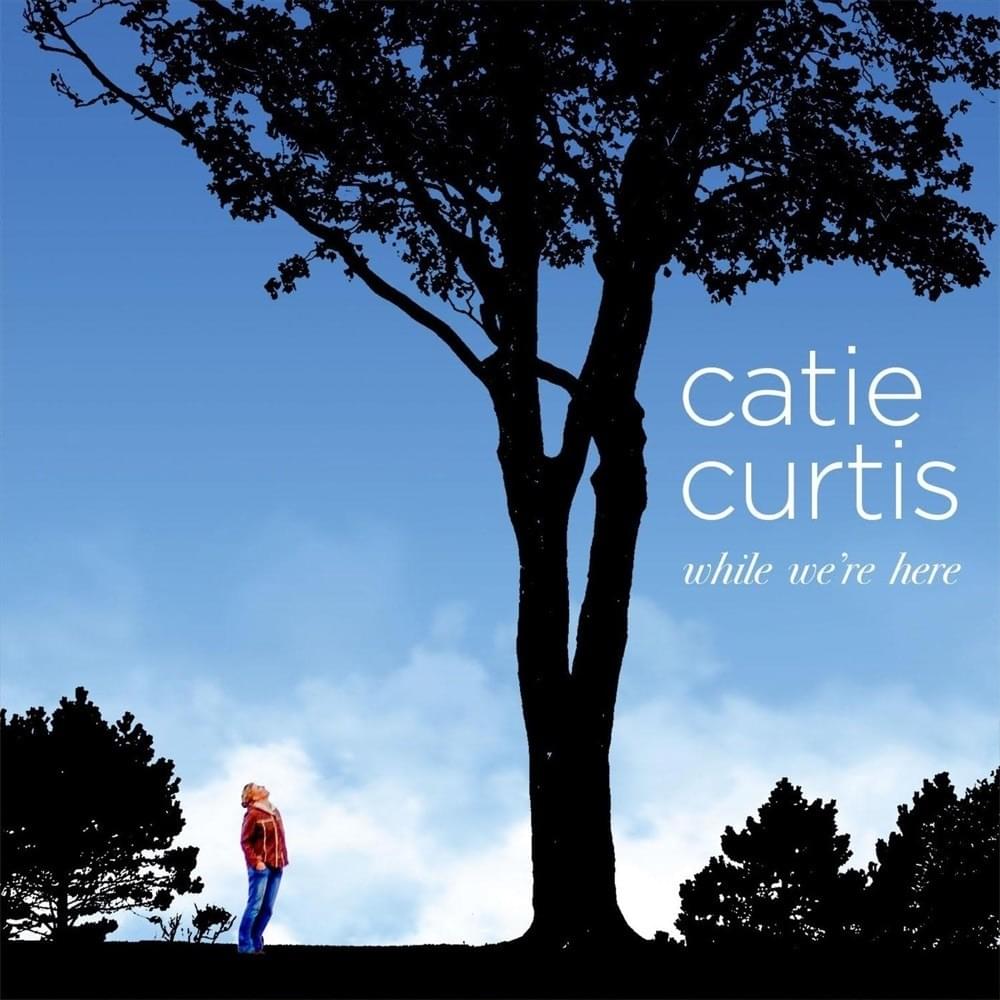
Catie Curtis's "While We're Here" isn't just a breezy folk-pop tune; it's a deceptively profound meditation on embracing the present. The opening anecdote, a literal truckload of cranberries spilled across the Sagamore Bridge, serves as a potent, if quirky, metaphor. The absurdity of the situation—traffic jams, social media documentation, and salvaged fruit—highlights the unexpected interruptions and minor absurdities that punctuate daily life. Curtis uses this image to ground a larger reflection on mortality and the preciousness of time. The cranberry spill becomes a shared experience, a collective pause that underscores the fragility and unpredictability of existence. It’s a reminder to find humor and connection even in the midst of chaos. The phrase "thank the good fairies" is not merely whimsical, but suggests a deeper sense of gratitude. The song meaning quickly centers around celebrating the here and now.
Curtis bolsters her argument with the story of her friend Jimmy, the touring mandolin player. Jimmy's dedication to his craft, whether playing to a packed house or a solitary drunk, exemplifies a commitment to living authentically and pursuing one's passion, regardless of external validation. This narrative thread highlights the importance of finding joy in the process, not just the outcome. It's a rejection of the relentless pursuit of success and a celebration of the intrinsic rewards of creative expression. The line "You gotta hand it to him" expresses admiration, not just for Jimmy's talent, but for his sheer audacity in pursuing such an unconventional path. This reinforces the song's core message of embracing individuality and defying societal expectations.
The lyrics analysis of "While We're Here" gains further depth in the bridge. Curtis confesses to unrealized ambitions – singing with Emmylou Harris, thinking like Gertrude Stein. These aspirations, while significant, are ultimately tempered by a simpler, more immediate desire: connection. The poignant line, "Every day I just want to say, 'Baby hold my hand!'" encapsulates the song's emotional core. It's a recognition that amidst grand aspirations and existential anxieties, the most profound experiences often lie in simple human connection. The repetition of "We could all die tomorrow / Not gonna live in fear / Don't ever stop giving living a shot / While we're here" serves as both a mantra and a call to action. It's an invitation to embrace vulnerability, to pursue joy, and to cherish the present moment, because, as Curtis reminds us, our time is finite. The song becomes an anthem for living fully and fearlessly, right now.
 View Artist