Song Meaning
Catie Curtis's "The Party's Over" isn't a simple lament for a bygone social event; it's a sharp-edged dissection of identity and authenticity in the wake of a transformative, perhaps disillusioning, experience. The Cinderella metaphor is immediately apparent, but Curtis flips the script. The striking of midnight isn't just the end of a magical evening; it's the catalyst for shedding a performed self. The opening lines, "Now you can be you and I can turn into myself," suggest a mutual charade, a recognition that both parties were playing roles dictated by societal expectations or personal insecurities. The 'party' itself represents a space where genuine connection was sacrificed for appearances. The singer's ambivalence is palpable; she anticipates her sisters' inquiries with a dismissive, "I don't want to talk about it at all," hinting at a deeper emotional processing that she's unwilling to share.
The repeated mantra, "Then I will get up in the morning, gotta buy me some shoes / I will get up in the morning, I've got nothing to lose," is the core of the song's meaning. It's a declaration of independence and a rebuilding of self. The shoes are not just footwear; they are a symbol of forward movement, of taking control of one's path after a period of feeling lost or misdirected. The line "I've got nothing to lose" is particularly poignant. It speaks to a liberation from the constraints and expectations that defined her behavior at "the ball." She has reached a point where the potential for authentic self-discovery outweighs the fear of vulnerability or social judgment.
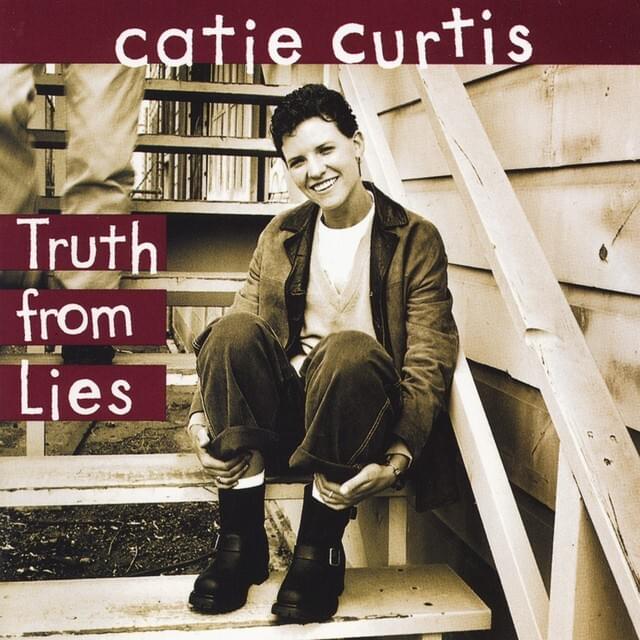
The admission, "I have to admit that I don't know truth from lies," reveals a profound self-awareness. The 'party' and its attendant performances have blurred the lines between genuine emotion and manufactured sentiment. This isn't just about romantic disappointment; it's a broader existential crisis. The singer is grappling with the difficulty of discerning what's real within herself and in her relationships with others. Ultimately, "The Party's Over" is about the challenging but necessary process of self-excavation that begins when the masks come off and the clock strikes twelve. The song is a recognition of the work required to rebuild an authentic self after the artifice is stripped away.
 View Artist