Song Meaning
Catie Curtis's "Same Dream (Desert Storm)" isn't a protest anthem in the vein of, say, Phil Ochs, but a far more intimate and psychologically acute portrait of wartime anxiety. The song meaning circles around the pervasive sense of helplessness and moral unease experienced by ordinary people during the Gulf War. Curtis captures the disjunction between the sanitized, televised narrative of conflict and the gnawing feeling that something is profoundly wrong. The lyrics point to the numbing effect of mass media, where "T.V. nights and radio days" deliver the same, carefully curated message, framing war as a necessary evil for the sake of "peace."
The chorus, a plaintive question about shared dreams, is the emotional core of the song. It speaks to a yearning for collective empathy and validation in the face of overwhelming propaganda. The line, "They say that we're civil, they say that we're right," drips with sarcasm, highlighting the ethical compromises inherent in supporting military action. The repeated questioning of whether anyone else shares this unsettling dream underscores the singer's isolation and the potential for widespread, unspoken dissent. The image of raining "bombs down on them at night" is stark and unflinching, a direct challenge to the sanitized version of war presented by the media.
Ultimately, "Same Dream (Desert Storm)" is a song about the psychological toll of war on the home front. It's about the struggle to reconcile personal values with national narratives, the difficulty of finding peace of mind amidst constant bombardment of information, and the desperate need for human connection in times of crisis. The simple plea, "Oh baby, hold me tight / I just can't take the news tonight," encapsulates the emotional vulnerability at the heart of Curtis's song meaning, transforming a political statement into a deeply personal expression of fear and longing.
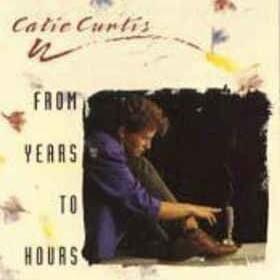
 View Artist