Song Meaning
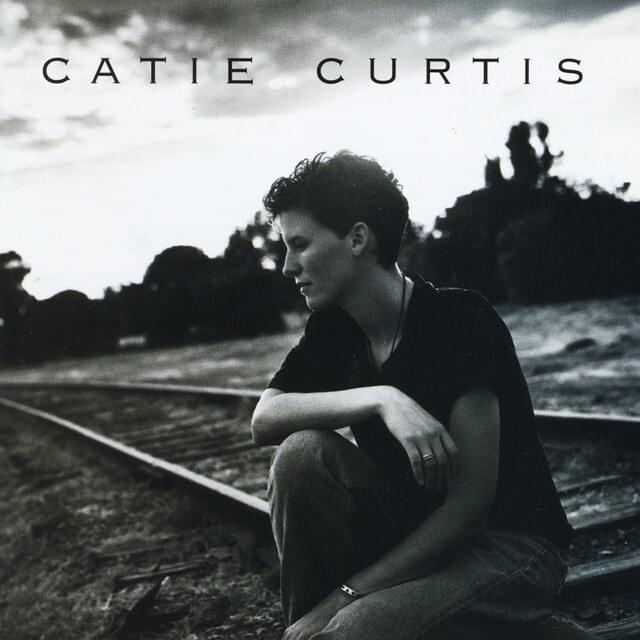
Catie Curtis's "Forgiveness" doesn't offer easy answers; it's a stark landscape of "what ifs" that strike at the heart of our existential anxieties. The song avoids the saccharine platitudes of pop forgiveness anthems, choosing instead to probe the raw nerve of faith—in celestial order, in a higher power, and, most vulnerably, in human connection. Curtis isn't preaching; she's holding up a mirror to the listener's own capacity for resilience in the face of profound disappointment. The opening lines, "What if the stars forgot to shine...fell asleep/Reading People magazine," are a jarring juxtaposition of cosmic order and mundane distraction, a suggestion that even the most reliable structures can crumble into absurdity. This sets the tone for a series of potentially devastating hypotheticals.
The lyrics delve into the possibility of disillusionment with organized religion. The lines "What if your god wasn't there/What if you tear down the screen and there's nothing behind it" speak to the crisis of faith experienced by many in a secular age. It's a challenge to the listener's deeply held beliefs, forcing them to confront the possibility that the foundations of their spiritual lives might be built on shaky ground. The question "Where's your faith, how will you find it" is not accusatory, but rather a gentle urging toward self-discovery and the reconstruction of belief in the face of doubt.
Ultimately, the emotional core of "Forgiveness" resides in the realm of interpersonal relationships. The most poignant "what if" explores the pain of betrayal: "What if your love let you down/What if she let you drown in your sorrow." This is where the song's title gains its full weight. The repetition of "Would you let her back in tomorrow" isn't a simple question of forgiveness; it's an examination of our capacity for empathy, vulnerability, and the willingness to rebuild trust after it has been shattered. It's a testament to the messy, complicated nature of human relationships and the ongoing work required to maintain them in the face of inevitable hurt. The song's power lies in its refusal to provide a definitive answer, leaving the listener to grapple with the complexities of forgiveness and the enduring search for meaning in a world of uncertainty.
 View Artist